


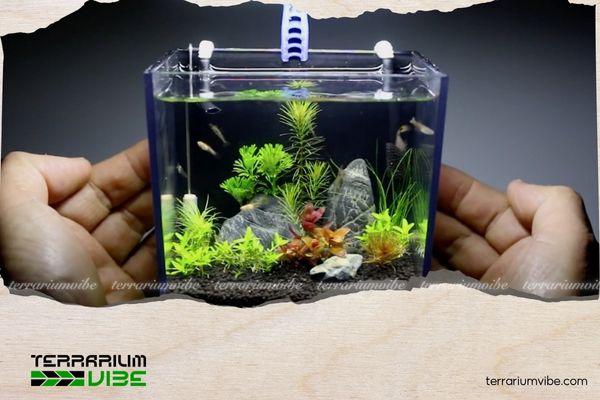
5 Key Factors When Setting Up Light for Aquarium You Need to Consider

Light for aquarium plays a crucial role in maintaining a vibrant, healthy aquascape. Beyond aesthetics, proper lighting supports plant photosynthesis, limits algae growth, and maintains ecosystem stability. If you’re starting an aquascaping journey or upgrading your setup, Terrarium shares essential considerations to ensure your aquarium lighting is on point.
The Role of Light in an Aquarium Ecosystem
Light is one of the most important environmental factors that determine the overall health of an aquarium. Plants rely on light for photosynthesis, converting CO₂ and nutrients into oxygen and biomass. This process keeps the water clean, supports fish respiration, and helps plants thrive.
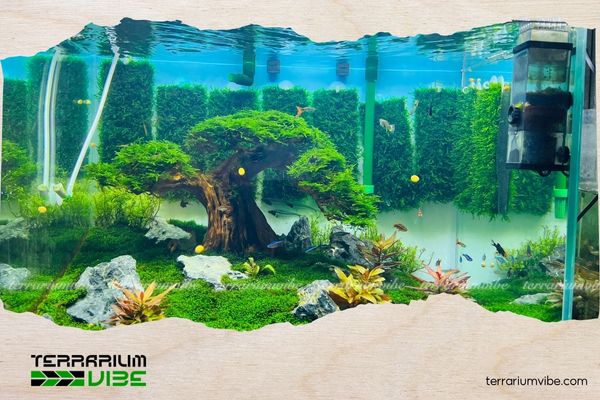
The Role of Light in an Aquarium Ecosystem
However, improper light for aquarium setups—either too weak or too strong—can lead to plant deterioration or an explosion of algae. That’s why setting up the right lighting system is the foundation for a thriving aquatic environment.
Key Factors to Consider When Setting Up Light for Aquarium
Properly setting up the lighting system is a prerequisite for your aquarium terrarium to function effectively and remain sustainable over time. Key considerations during setup include:
Choose the Right Light Intensity
Light intensity refers to the strength of the light that reaches the plants, usually measured in lumens per liter or PAR (Photosynthetically Active Radiation). The needs vary depending on plant type:
- Low-light plants (e.g., mosses, Java fern): 20–30 lumens per liter.
- Medium-light plants (e.g., Cryptocoryne, Amazon sword): 30–50 lumens per liter.
- High-light plants (e.g., HC Cuba, Rotala): above 50 lumens per liter.
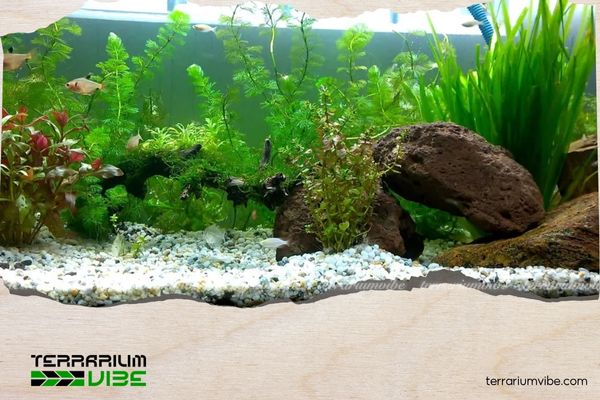
Choose the Right Light Intensity
Choosing the wrong intensity can cause poor growth or allow algae to take over. Ideally, use adjustable light for aquarium fixtures to fine-tune brightness as needed.
Set the Right Color Temperature
Color temperature is measured in Kelvin (K) and affects both the look and functionality of aquarium lighting. For planted aquariums, the ideal range is 6,000–8,000K:
- 6,500K mimics daylight and provides natural color rendering.
- Temperatures above 8,000K appear cooler and may make plants look less vibrant.
- Below 5,000K creates a yellowish tone that’s unattractive and less effective for photosynthesis.
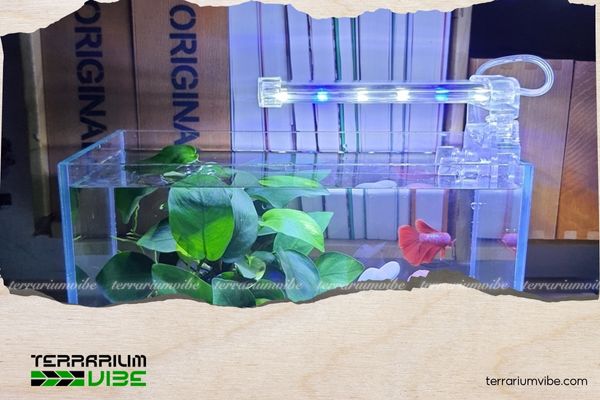
Set the Right Color Temperature
Choose a full-spectrum light for aquarium setup that supports plant health while enhancing the visual appeal of your tank.
Manage Daily Light Duration
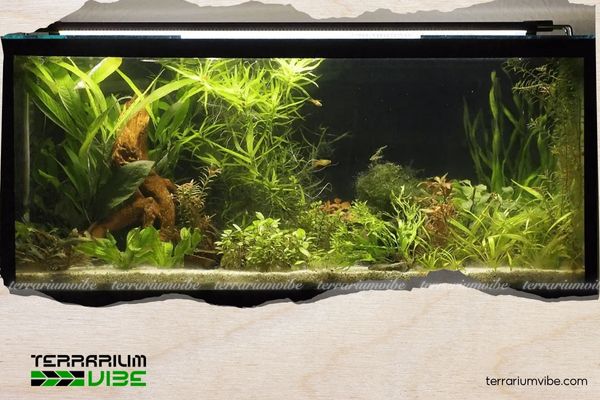
Even if you use high-quality light for aquarium systems, overexposing or underexposing your tank to light can create problems. The optimal lighting duration is 6–8 hours per day:
- Too short: insufficient energy for plant growth.
- Too long: algae overgrowth and stressed aquatic life.
Manage Daily Light Duration
Automated timers are highly recommended to maintain consistency. You can also split lighting into two sessions (e.g., 4 hours in the morning, 4 hours in the evening) to mimic natural light rhythms and reduce stress.
Light Placement and Distribution
Proper distribution of light for aquarium ensures that every area—especially planted zones—gets enough exposure. Consider the following setup tips:
- Position lights 10–20 cm above the water surface to balance coverage and intensity.
- Use fixtures with wide beam angles or combine multiple lights for even distribution in large tanks.
- Regularly clean light covers to avoid dust or algae build-up, which can reduce efficiency.
Light Placement and Distribution
For deeper tanks or shadowy corners, supplementary lights or reflectors can improve light spread.
Combine Lighting with Other Environmental Elements
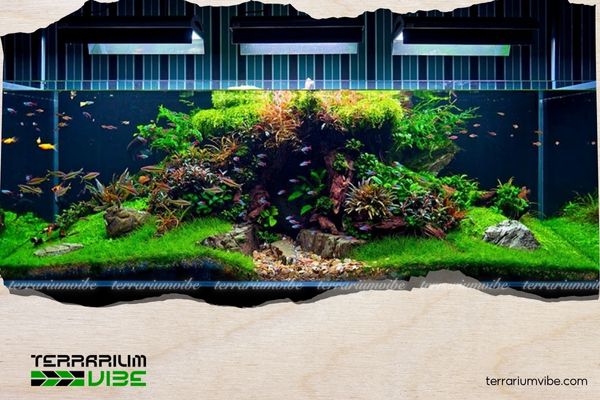
Light for aquarium is a vital part of a bigger picture. To maximize effectiveness, integrate your lighting system with:
- CO₂ injection: essential for fast-growing or high-light plants.
- Nutrient-rich substrate & liquid fertilizers: provide balanced growth support.
- Water circulation: ensures even CO₂ and nutrient distribution.
- Routine observation: track plant growth, algae appearance, and fish behavior to fine-tune lighting settings.
Combine with Other Environmental Elements
Together, these elements create a balanced environment where plants and aquatic life can flourish.
We hope this article from Terrarium has helped you understand the key factors to consider when setting up light for aquarium terrariums. A well-designed lighting system serves as the foundation for a vibrant, balanced, and visually stunning aquascape.