
Are you on the hunt for a unique and easy-to-care-for plant for your terrarium? Look no further than Terrarium Vibe’s collection of terrarium plants (Tillandsia)! This amazing plant doesn’t require soil to thrive, absorbing nutrients from the air, and is an excellent air purifier. Let’s dive into what makes air plants so special and why they’re a perfect fit for your terrarium with Terrarium Vibe.
What are Air Plants?
Air plants, also known as Tillandsia, belong to the Bromeliaceae family. They are incredibly adaptable, absorbing the necessary moisture from their surroundings without needing to be planted in soil.
Scientifically known as Tillandsia, these plants are part of the Tillandsia genus in the Bromeliaceae family. They are native to Central and South America. Here’s their scientific classification:
- Kingdom: Plantae (Plants)
- Order: Poales (Grasses and related)
- Family: Bromeliaceae (Bromeliad)
- Genus: Tillandsia
Air plants come in a wide range of shapes and colors. They have soft, slender leaves that grow in a spiral pattern and can curl up when they need water. These plants draw water and nutrients directly from the air through their leaves. Because they don’t require soil, they can grow on various surfaces such as walls, tree branches, and rocks.
Typically, air plants can live anywhere from a few years to several decades.
The History of Tillandsia Air Plants
Air plants, often referred to as “Air plants,” are native to tropical and subtropical regions of the Americas, including Mexico, Central America, South America, and the West Indies.
They belong to the Bromeliaceae family and their scientific name, Tillandsia, was given in honor of Elias Tillandz, a Swedish botanist who lived from 1640-1693.
Explore the fascinating world of air plants with Terrarium Vibe and discover how these resilient plants can enhance your terrarium setup!
The Ideal Environment for Air Plants
Air plants can thrive in both natural and artificial environments. Let’s delve into the key factors that affect their growth, helping you understand their unique adaptability and how to care for them best.
Adaptability
Air plants (Tillandsia) are remarkable for their ability to grow without rooting in soil. This adaptability allows them to thrive in various environments:
- Rainforests: The most common natural habitat for air plants is the rainforest. With high humidity and abundant tree canopies, these conditions are ideal for air plants. They attach themselves to branches, moss, rocks, and other objects in the forest. A rainforest terrarium can feature air plants, moss, ferns, and orchids, creating a lush, moisture-loving ecosystem.
- Arid Climates: Some air plants can adapt to dry environments. They have thick epidermis layers to reduce water loss and funnel-shaped leaves to catch dew. These plants typically cling to rocks and other objects in arid areas. A desert-themed terrarium can include air plants, cacti, and succulents like aloe vera, catering to drought-tolerant species.
Key Factors
Despite their high adaptability, air plants still require certain conditions to thrive:
- Light: They need diffused light and should be protected from intense direct sunlight.
- Humidity: Regular misting is essential to maintain the right moisture level.
- Air Circulation: Good airflow is crucial to prevent mold.
- Temperature: They grow best in temperatures between 65°F and 80°F (18°C to 27°C).
By understanding these environmental needs, you can create the perfect conditions for your air plants to flourish.
Air Plants in Terrariums
Air plants are not only elegant but also easy to care for. What type of terrarium is best for air plants, and what other plants can you combine them with to create a vibrant green space in your home?
Suitable Terrarium Types
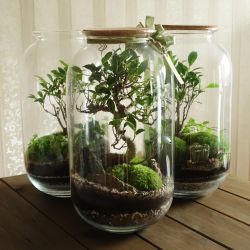
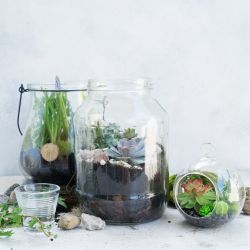
Open terrariums are the most popular choice for air plants. These terrariums come in various sizes and shapes, allowing plenty of light and air circulation. This is vital for air plants as they need to photosynthesize and have access to fresh air.
Depending on the specific air plant species, they may suit different types of terrariums. It’s important to consider the type of plants you’re pairing with your air plants and how to care for them together.
Compatible Plants
Air plants can be paired with various other plants in a terrarium. Suitable companions include:
- Moss: Moss helps retain moisture and adds a natural beauty to the terrarium.
- Ferns: Ferns thrive in humid environments and make excellent companions for air plants.
- Orchids: Orchids, with their beautiful blooms, can add a striking focal point to the terrarium.
Tips:
- Choose plants of similar size to avoid competition for light and nutrients.
- Ensure all chosen plants have similar humidity and light requirements.
By selecting the right companions and creating a suitable environment, you can enjoy a thriving, beautiful terrarium featuring air plants and their botanical friends.
How to care for an air plant in a Terrarium
If you love creating mini landscapes, why not start your own little garden of air plants in a terrarium? These plants are incredibly easy to care for and perfect for a busy lifestyle, especially if you’re new to the terrarium hobby. Here’s a guide to help you care for air plants:
To encourage your air plants to bloom and thrive, place them in a spot with plenty of light but away from direct sunlight. Mist the leaves gently twice a week to maintain humidity. Also, ensure your terrarium has good drainage to avoid waterlogging.
When it comes to fertilizing, use a diluted solution to provide gentle nutrition to your plants. Humidity is crucial, so keep the terrarium cover tightly closed. If you notice the leaves wilting, add a bit more water by misting them.
Regularly check your plants for early signs of mold or pests. Removing dead leaves will help keep the environment healthy and promote better growth.
With the detailed information provided, we hope you now have a good understanding of how to identify and care for these unique plants. Air plants not only captivate with their elegant beauty but are also very easy to grow in a home terrarium. With the right light, proper humidity, and regular checks, your plants will flourish, creating a lush green space in your home.
Happy planting! We hope you enjoy the experience of caring for your terrarium plants. Stay tuned to Terrarium Vibe for more articles and discover more plants for your terrarium hobby!
Blog kiến thức terrarium và thủy sinh
Nếu bạn còn đắn đo hoặc còn thiếu những thông tin, kiến thức gì về Terrarium, hãy chọn các chủ đề phù hợp bên dưới để tham khảo trước khi chọn mua sản phẩm nhé. Chúc các bạn có những trải nghiệm mua sắm và tìm hiểu kiến thức tuyệt vời tại terrariumvibe-com-668605.hostingersite.com