



What Is a Paludarium? Discover the Miniature Ecosystem That Blends Water and Land
Curious about what is a paludarium and why this unique ecological setup is gaining popularity among terrarium and aquascaping enthusiasts? In this article, Terrariumvibe takes you on a deep dive into the world of paludariums—what they are, how they’re built, their benefits, and how to care for one, especially if you’re just getting started.
What Is a Paludarium?
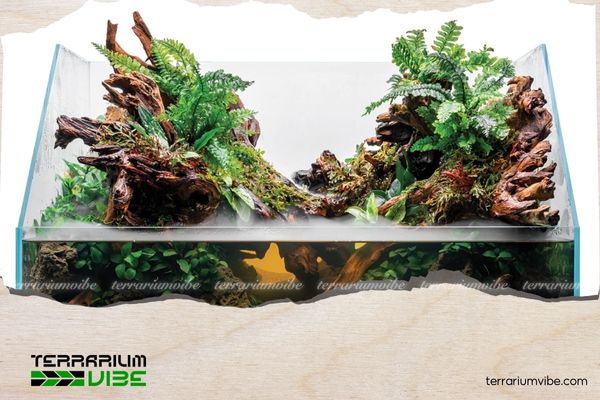
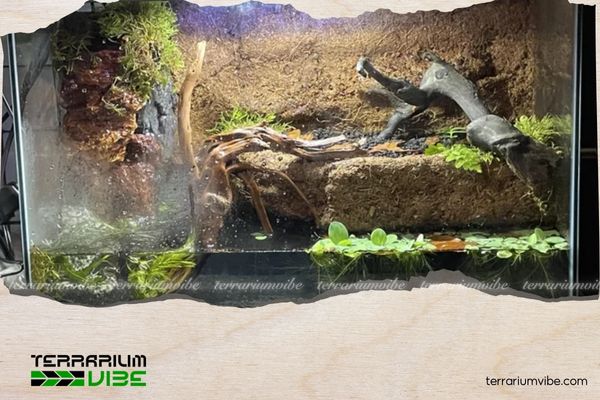
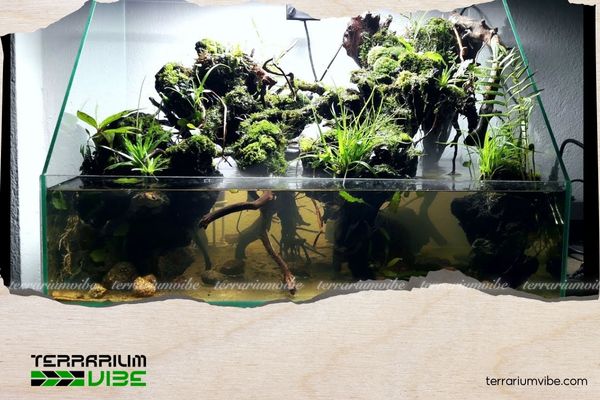
A paludarium is a type of miniature ecosystem that combines aquatic (water) and terrestrial (land) environments, designed to mimic natural habitats like wetlands, swamps, or riverbanks. It allows you to house fish, aquatic and terrestrial plants, and even amphibians like frogs, aquatic turtles, or reptiles in one cohesive habitat.
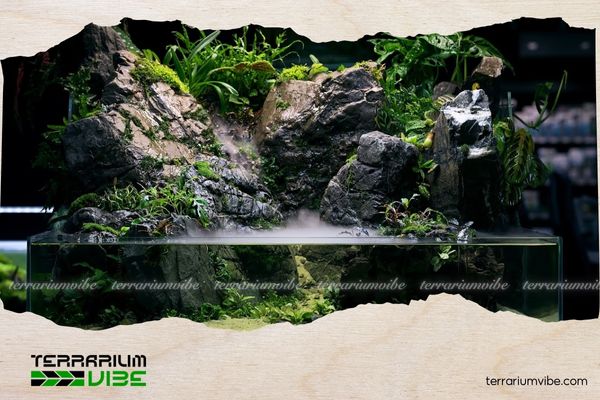
What Is a Paludarium?
Basic Structure of a Paludarium
Here’s a breakdown of the key components that form a well-balanced semi-aquatic ecosystem:
- Aquatic Zone: Occupying the lower portion of the tank, this area contains freshwater and aquatic creatures such as fish, shrimp, and snails. Common aquatic plants include Anubias, water wisteria, and hornwort.
- Terrestrial Zone: A land area where you can grow mosses, orchids, ferns, and air plants. It’s also ideal for housing amphibians and reptiles like frogs, water snakes, and newts.
- Riparian Zone (optional): The transitional space between land and water, mimicking riverbanks or moist soil zones. Perfect for semi-aquatic plants and amphibians.
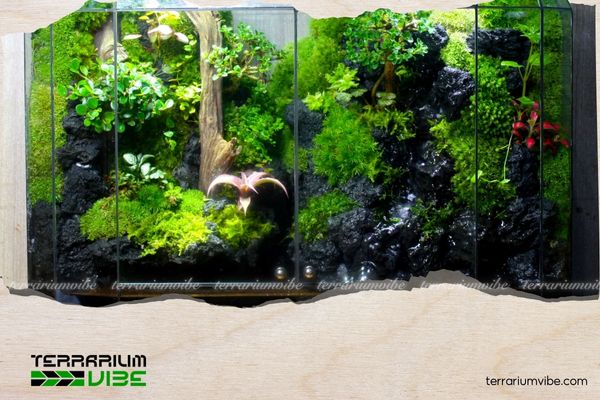
Basic Structure of a Paludarium
- Filtration System: Keeps water clean, removes waste, and maintains beneficial bacteria.
- Lighting System: Use LED and UVB lights to support photosynthesis and the healthy growth of plants and animals.
- Heating and Humidity Control: Crucial for tropical species. Use mini heaters, cooling fans, and misting systems to maintain ideal conditions.
- Substrate and Decorative Materials: Includes rocks, driftwood, sand, and planting soil to enhance both the layout and visual appeal.
What Is a Paludarium Used For?
Paludariums serve as stunning interior decor, bringing a touch of lush, natural serenity into your home or office. More than just decorative, they provide a thriving environment for amphibians, reptiles, and aquatic life—recreating their natural habitats in a truly immersive way.
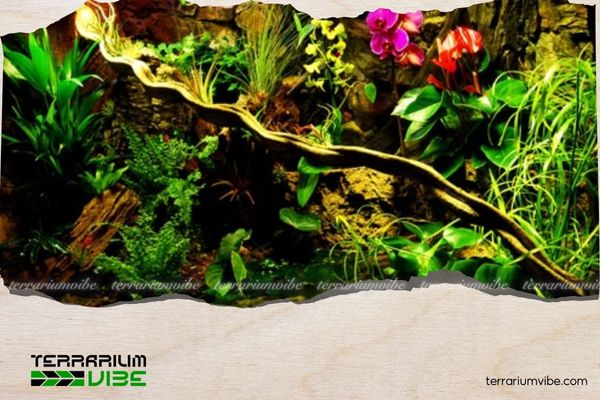
What Is a Paludarium Used For?
Paludariums are also used for educational and biological research, offering insights into life cycles and interspecies relationships within ecosystems. For hobbyists, building and caring for a paludarium is a therapeutic hobby that promotes mindfulness, patience, and attention to detail.
Common Inhabitants of a Paludarium
Depending on your preferences, you can keep a wide variety of amphibians, aquatic creatures, and lush tropical plants. Here are some popular choices:
Animals
- Tree Frogs: Thrive in humid, leafy environments.
- Aquatic Turtles: Move fluidly between land and water, often requiring basking spots and UV lighting.
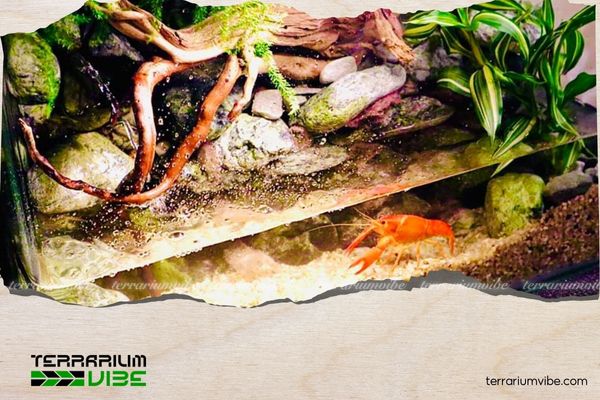
Animals
- Small Freshwater Fish: Such as neon tetras, guppies, and other community fish.
- Newts and Salamanders: Prefer moist, cool spaces with plenty of hiding spots.
- Shrimp and Snails: Natural cleaners that help maintain water clarity and biodiversity.
Plants
- Mosses: Like Java moss and Taiwan mini moss—easy to grow and great for moisture retention.
- Ferns: Resilient and ideal for high-humidity settings.
- Orchids and Air Plants: Such as miniature orchids and Tillandsia, perfect for vertical setups.
Plants
- Aquatic Plants: Including water wisteria, Anubias, and hornwort.
- Semi-Aquatic Plants: Like pothos and taro, which thrive in wet, marginal zones.
Microfauna and Beneficial Organisms
- Beneficial Bacteria: Break down waste and help maintain a balanced ecosystem.
- Worms and Detritivores: Enhance the biological health of the substrate.
Microfauna and Beneficial Organisms
- Naturally Occurring Microorganisms: Often emerge in well-balanced environments to support ecological functions.
Essential Tips for Paludarium Care
To keep your paludarium thriving, here are some key maintenance tips:
- Maintain Stable Humidity and Temperature: Most inhabitants require warm, humid conditions. Use misting systems and heaters to create the ideal environment.
- Provide Adequate Lighting: Use full-spectrum LED or UVB lighting to promote plant growth and support reptiles and amphibians.
- Regular Filtration and Water Changes: Keep water clean with partial weekly changes and regular quality checks.
Essential Tips for Paludarium Care
- Prevent Mold and Pests: Ensure good airflow, remove dead leaves, and avoid overly wet substrates. Use natural pest control methods when necessary.
- Choose Compatible Species: Ensure animals can coexist peacefully without competing for resources or preying on each other.
- Trim Plants Regularly: Maintain a balanced look and ensure all areas receive sufficient light.
- Observe and Monitor Often: Catch early signs of disease, plant decay, or system malfunctions to make timely adjustments.
We hope this guide from Terrariumvibe has helped you understand what a paludarium is and why it’s more than just a beautiful display—it’s a living, breathing ecosystem that brings tranquility, education, and nature-inspired decor into your daily life.