



What Is a Vivarium? Explore a Miniature World That Recreates Nature in Your Living Space
Curious about what a vivarium is and why it’s become increasingly popular among nature lovers, pet enthusiasts, and interior decor fans? More than just an aesthetic centerpiece, a vivarium recreates a balanced ecosystem right inside your living or working space. In this guide, Terrariumvibe dives into the world of vivariums to help you understand their purpose and potential.
What Is a Vivarium?
A vivarium is a controlled, miniature habitat designed by humans to replicate natural environments for the purpose of housing, observing, studying, or displaying living organisms. The term “vivarium” originates from the Latin word vivere, meaning “to live.”

What Is a Vivarium?
More than just a display tank, a vivarium functions as a self-contained ecosystem, recreating natural conditions to support life. Whether for scientific research, personal enjoyment, or interior design, vivariums bring a slice of nature into everyday life.
What Is a Vivarium Used For?
So, what is a vivarium used for? Vivariums serve multiple functions, from creating lifelike environments for observing and researching species in controlled conditions, to being used in educational settings to teach students about ecosystems and biodiversity.
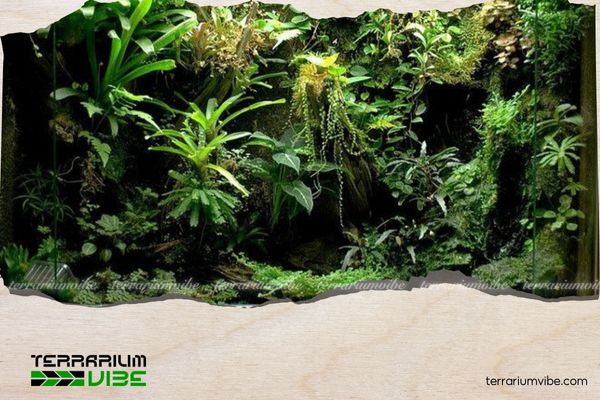
Vivariums serve multiple functions
Many people also use vivariums to house exotic pets or as a decorative feature that brings natural beauty indoors. Whether you’re a scientist, hobbyist, or interior design enthusiast, a vivarium offers a unique, immersive experience with nature.
Key Features of a Vivarium
A vivarium stands out for several distinct characteristics:
- Natural Habitat Simulation: It replicates natural elements like light, temperature, humidity, and terrain to suit the needs of its inhabitants.
- Mini Ecosystem: Many vivariums function as closed or semi-closed systems where plants, animals, and microorganisms create a self-sustaining ecological loop.
- Variety of Formats: Vivariums can replicate various environments, such as aquariums (water), terrariums (land), or paludariums (a mix of water and land).
- Supports Diverse Species: Depending on the setup, vivariums can house everything from fish, reptiles, and insects to lush tropical plants.
- Maintenance Is Key: Despite being self-sustaining to a degree, vivariums still require regular care—cleaning, environmental adjustments, and health checks are essential.
- Flexible Applications: Vivariums are used in scientific research, education, home décor, and for keeping exotic pets.
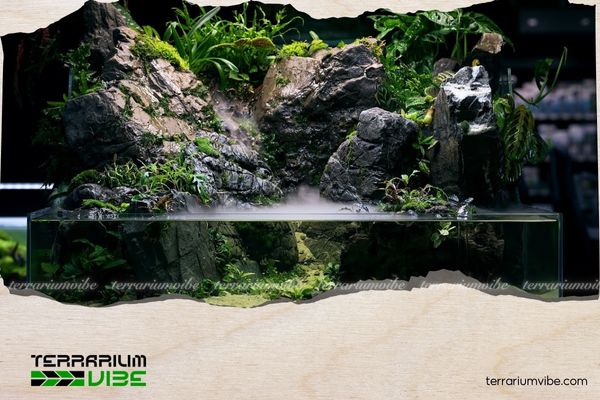
Key Features of a Vivarium
Types of Vivariums
Vivariums are categorized based on the environment they simulate and the species they support. Here are the most common types:
- Aquarium: A fully aquatic environment designed for freshwater or marine life such as fish, corals, and aquatic plants.
- Terrarium: A land-based setup ideal for terrestrial species like reptiles, insects, turtles, or tropical plants.
- Paludarium: Combines aquatic and terrestrial zones—perfect for species that thrive both in water and on land, such as frogs and wetland plants.
- Insectarium: Specially designed to house and study insects like ants, beetles, or butterflies, with precise control over temperature and humidity.
- Formicarium: A specialized type of vivarium for ant-keeping, designed to replicate their natural tunnel systems and colony structures.
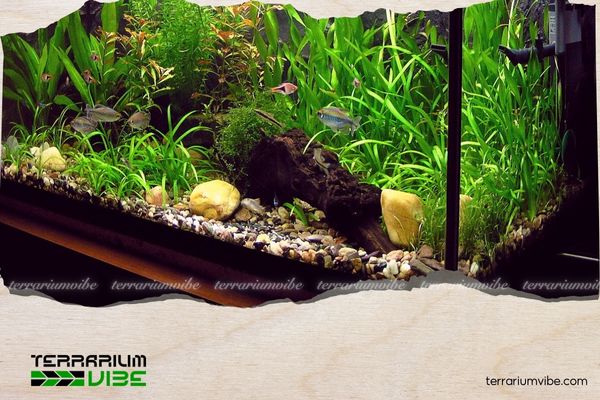
Types of Vivariums
How to Care for a Vivarium
Proper vivarium care involves carefully managing environmental factors to ensure the well-being of the organisms inside:
- Temperature Control: Depending on the vivarium type, use heaters, UV lamps, or cooling fans to maintain consistent temperatures.
- Humidity Management: Essential in terrariums and paludariums—misting systems or humidifiers help keep the atmosphere moist and healthy.
- Lighting: Use UVB lights for reptiles and full-spectrum grow lights for plants to support photosynthesis and overall health.
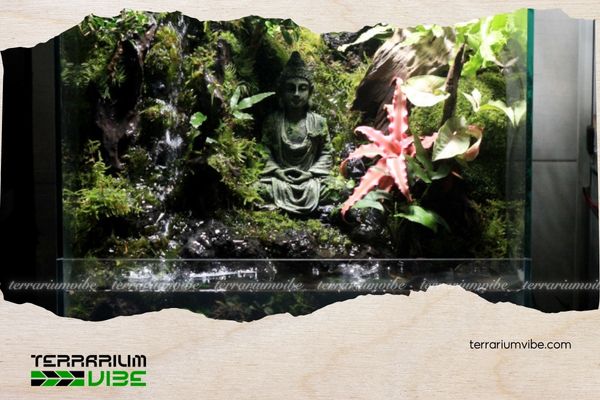
How to Care for a Vivarium
- Regular Cleaning: Maintain cleanliness by changing water, cleaning filters, and removing waste to prevent disease and algae growth.
- Nutrition & Monitoring: Provide fresh, species-appropriate food, and monitor the health of your plants and animals regularly.
With attentive care, your vivarium can thrive as a balanced, vibrant ecosystem. Through this guide, Terrariumvibe has unpacked the question: What is a vivarium? Whether you’re using it for education, research, decoration, or as a unique hobby, a vivarium is a fantastic way to reconnect with nature and bring its calming presence into your daily life.