

What Is Growing Medium? Understanding the Foundation of Modern Plant Cultivation
In today’s modern gardening world, soil isn’t always necessary for plants to thrive. Many gardeners and plant enthusiasts are turning to growing mediums—a flexible and efficient alternative. But what is growing medium, and why has it become such a critical element in advanced cultivation systems like hydroponics, semi-hydroponics, and terrariums? Let’s explore this essential foundation with Terrariumvibe.
What Is Growing Medium?
A growing medium is a soil substitute that provides plants with the physical support, moisture retention, and, in some cases, nutritional aid they need to grow. Unlike traditional soil, growing mediums are typically clean, lightweight, disease-free, and allow for better moisture control. Popular examples include coco coir, rice husk charcoal, perlite, and vermiculite. Thanks to their versatility, growing mediums are widely used in hydroponics, bonsai, orchids, succulents, and various urban gardening setups.
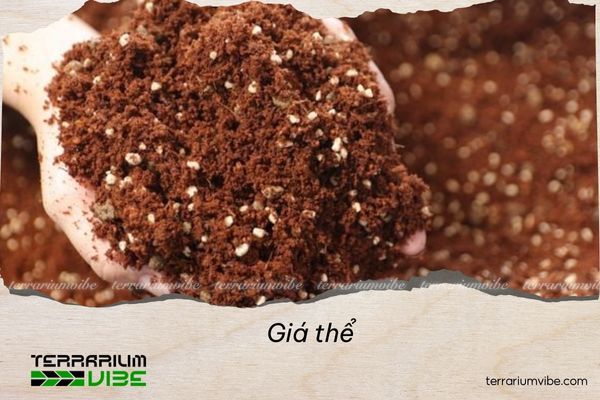
What Is a Growing Medium?
The Role of Growing Mediums in Planting, Hydroponics, and Terrariums
So, what is growing medium and what does a growing medium do? Whether used in soil-based planting, hydroponics, or terrarium environments, its main role is to support plant growth through hydration, aeration, and in some cases, nutrition.
In Traditional Planting:
- Nutrient Source: Soil-based mediums supply essential nutrients like nitrogen, phosphorus, potassium, and trace minerals.
- Root Development: Provides space for roots to expand and access water and nutrients.
- Moisture Retention: Maintains adequate hydration to prevent wilting and stress.
In Hydroponics:
- Structural Support: Growing mediums in hydroponics don’t provide nutrients but help anchor the plant’s roots.
- Moisture and Air Balance: They retain enough moisture while allowing air to reach the roots, preventing rot.
- Soil-Free System: Roots absorb nutrients directly from a nutrient solution, with the medium serving as a neutral base.
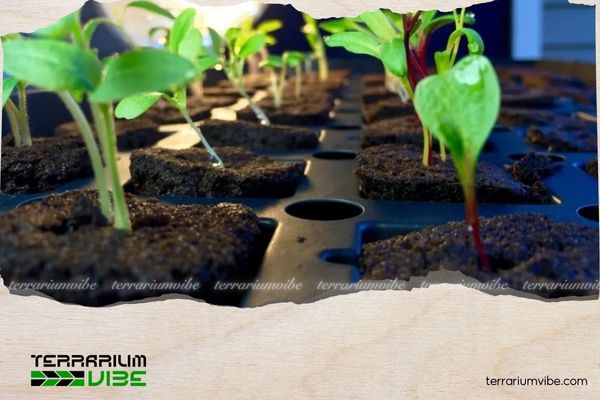
The Role of Growing Mediums in Planting, Hydroponics, and Terrariums
In Terrariums:
- Humidity Regulation: Helps retain the right level of moisture for tropical or semi-aquatic plants.
- Natural Habitat Simulation: Materials like peat, moss, and stone recreate a naturalistic environment with balanced airflow, light, and humidity.
- Drainage Management: Aids in water drainage to avoid root rot while providing a stable foundation for plant growth.
Common Types of Growing Mediums
Choosing the right growing medium is crucial to plant health and success. Here’s a look at the most popular types, grouped by their characteristics and usage:
Pre-Mixed Growing Mediums
These are convenient, ready-to-use blends tailored for specific plant types.
- SFARM Seedling Mix: 100% organic, biologically treated to prevent root disease—perfect for seed starting.
- Orchid Mix: A blend of pine bark, volcanic rock, moss, fern fiber, and slow-release fertilizer, providing optimal aeration and nutrition for orchids.
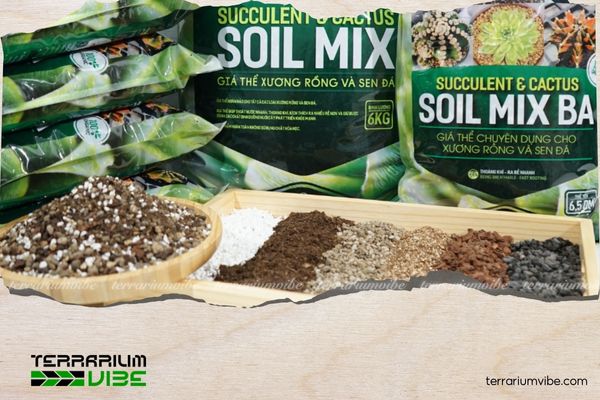
Pre-Mixed Growing Mediums
Organic Growing Mediums
Derived from natural materials, these are nutrient-rich, eco-friendly, and moisture-retentive.
- Coco Coir: Boosts fertility and moisture retention—ideal after proper treatment.
- Rice Husk Charcoal (Biochar): Retains moisture and improves soil structure—often mixed with compost or perlite.
- Peat Moss: Excellent for water retention and organic enrichment.
- Sawdust: A wood byproduct that improves aeration—best when mixed with other media.
- Tree Bark: Can be used raw or composted—needs treatment to reduce tannins and enhance water holding.
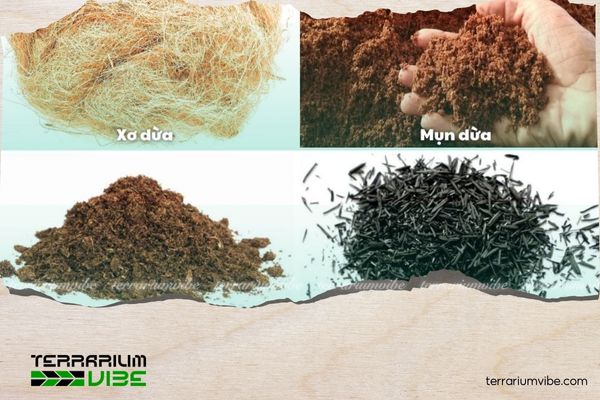
Organic Growing Mediums
Inert Growing Mediums
These do not add nutrients but offer structure, moisture control, and aeration.
- LECA (Lightweight Expanded Clay Aggregate): Airy and moisture-retentive—great for semi-hydro systems.
- Sand & Gravel: Inexpensive and easy to find—must be cleaned before use.
- Perlite: Super lightweight and porous—improves drainage and aeration.
- Pumice: Naturally porous—enhances oxygenation and prevents waterlogging.
- Vermiculite: Excellent for seed starting—holds water and nutrients well.
- Akadama: A favorite in bonsai culture—beautiful and functional with superior water and air balance.
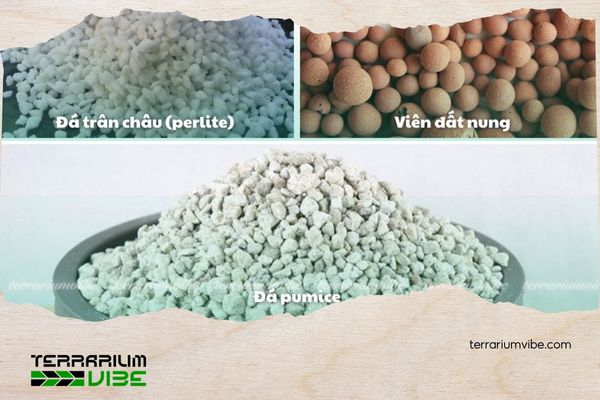
Inert Growing Mediums
Growing Medium Mix Recipes
Depending on your plant type, growing medium recipes can be adjusted for optimal performance. A good mix should be loose, well-aerated, moisture-retentive, and drain effectively. All materials should be pre-treated to eliminate pathogens and harmful elements. Here are some common blends:
- Recipe 1: 1 part organic fertilizer + 1 part sandy soil + 1 part composted material/peat/mineral + 3kg superphosphate per ton.
- Recipe 2: 40% decomposed sawdust + 40% composted organic matter + 20% organic fertilizer.
- Recipe 3: 50% topsoil + 50% biochar + 1kg organic fertilizer.
- Recipe 4: 1 part topsoil + 1 part rice husk charcoal + 1kg organic fertilizer.
- Recipe 5: 5 parts coco coir + 3 parts worm castings + 2 parts rice husk charcoal.
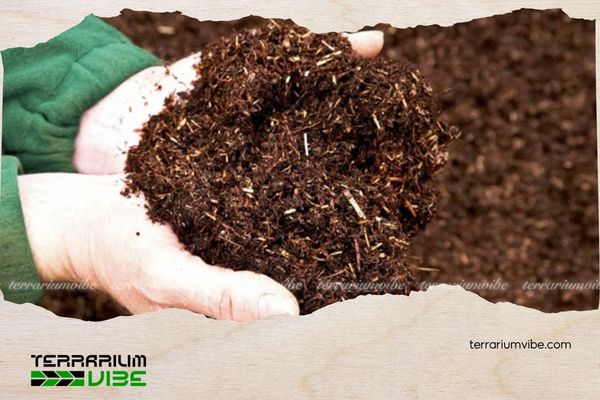
Growing Medium Mix Recipes
Understanding what is a growing medium and how to choose or mix the right one lays a strong foundation for healthy, thriving plants. Whether you’re cultivating a lush terrarium, a productive hydroponic garden, or just repotting your favorite houseplants, using the right medium is key to sustainable and successful growing. Let Terrariumvibe be your guide to smarter planting choices and a greener lifestyle.