


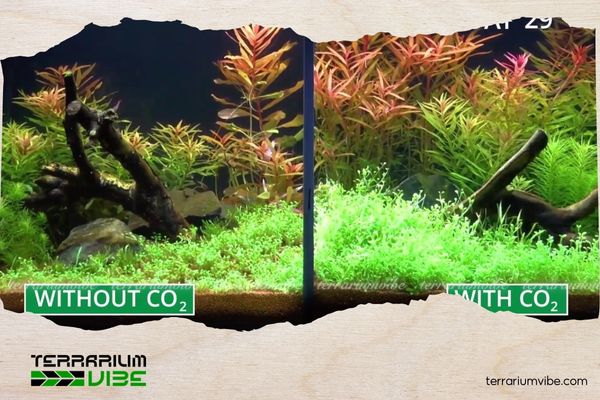

In the world of aquascaping, CO2 is like a second lifeline—it helps aquatic plants thrive, grow vibrantly, and maintain their lush appearance. But that doesn’t mean more CO2 is always better. In this guide, Terrarium breaks down everything you need to know about CO2 dosage for planted aquariums, so your aquatic plants can flourish in a stable, healthy environment.
Why Is CO2 Important for a Planted Aquarium?
Just like terrestrial plants, terrarium plants need CO2 for photosynthesis—the process by which plants use light, water, and carbon dioxide to produce nutrients (glucose) and oxygen. Supplying the right amount of CO2 comes with major benefits:
- Promotes fast, healthy plant growth: Lush green leaves, even growth, and enhanced overall appearance.
- Enhances plant coloration: Especially important for red or vividly colored species, CO2 helps them maintain their true, vibrant tones.
Why CO2 Is Essential for Planted Aquariums
- Helps control algae: Strong, healthy plants absorb nutrients more efficiently, leaving less for algae to thrive on.
- Creates a balanced ecosystem: Proper photosynthesis increases oxygen levels and helps absorb waste, creating a stable environment for fish and other aquatic life.
What’s the Right CO2 dosage for planted aquariums?
There’s no universal formula when it comes to CO2 dosage for planted aquariums—each tank is unique. That said, most aquascapers aim to keep dissolved CO2 between 15–30 ppm (parts per million) for optimal plant health. Several key factors affect CO2 requirements:
- Lighting intensity: Brighter lighting requires more CO2 for efficient photosynthesis.
- Plant species: Fast-growing or more demanding plants typically need more CO2.
- Water flow: Stronger currents can cause CO2 to dissipate faster, requiring additional supplementation.

Ideal CO2 Dosage for Planted Aquariums
- Water hardness (KH): Tanks with high carbonate hardness may need more CO2 to maintain proper levels.
- Plant density: A heavily planted tank consumes more CO2 than one with sparse vegetation.
How to Monitor and Adjust CO2 Levels in Your Aquarium
To keep your plants healthy without harming your fish, it’s important to monitor and adjust CO2 dosage for planted aquariums regularly. Here are three popular methods:
1. Drop Checker: This simple device changes color based on CO2 concentration:
- Blue: CO2 is too low
- Green: Ideal range (around 20–30 ppm)
- Yellow: CO2 is too high and may be dangerous for fish
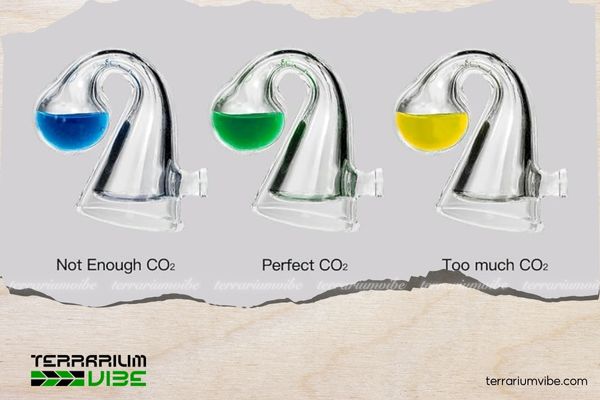
Using a Drop Checker to Measure CO2 Levels
2. pH/KH Chart: By measuring your tank’s pH and carbonate hardness (KH), you can estimate CO2 levels. While not as accurate as a drop checker, it provides a rough guideline.
3. Plant Observation: Healthy growth, pearling (oxygen bubbles), and rich color suggest ideal CO2 levels. Slow growth, yellowing leaves, or algae outbreaks may indicate CO2 deficiency.
Methods for Adding CO2 to a Planted Aquarium
There are several ways to introduce CO2 into your tank, depending on your budget and tank size:
- DIY CO2: Using sugar and yeast to generate CO2 is cost-effective and great for beginners with small tanks. However, the output is unstable and hard to regulate.
- Pressurized CO2 Systems: Professional CO2 kits with pressurized cylinders offer consistent delivery and are ideal for medium to large aquariums. While more expensive upfront, they provide precise control.
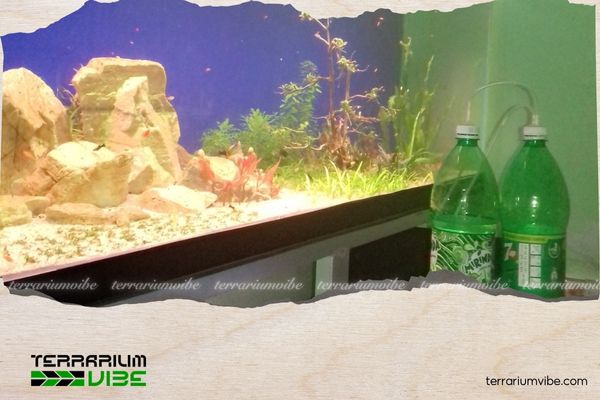
Methods for Adding CO2 to Your Aquarium
- Liquid CO2: Easy to dose and user-friendly, but typically less effective than gaseous CO2—best for low-tech or lightly planted setups.
- Natural Methods: Rarely used and hard to control. Techniques like decomposing leaves or peat may produce CO2, but can also disrupt water parameters and are generally not recommended for stability.
CO2 Dosing Tips: What to Keep in Mind
Managing CO2 dosage for planted aquariums is crucial—not just for plant health, but also for the safety of fish and other tank inhabitants. Here’s what to watch out for:
- Start slow: Gradually increase CO2 to let plants and fish acclimate.
- Observe fish behavior: If fish are gasping at the surface or breathing rapidly, your CO2 is likely too high. Reduce immediately to prevent toxicity.
- Keep it consistent: Use a timer to synchronize CO2 injection with your lighting period. This ensures plants receive CO2 when they need it most.
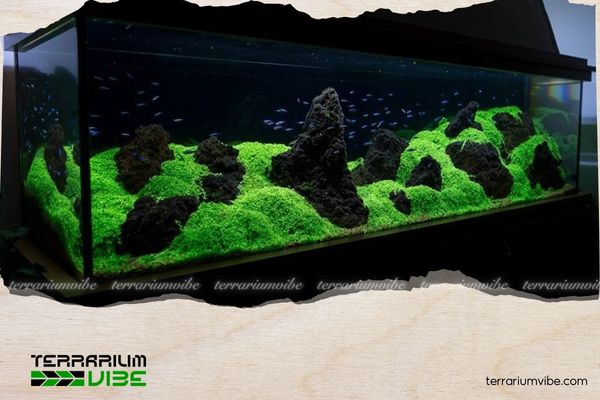
Additional Tips for Managing CO2 dosage for planted aquariums
- Final Tips for Maintaining Optimal CO2 Levels: Balance CO2 with light and nutrients: CO2 works best when paired with proper lighting and a good fertilization routine.
- Monitor regularly: Make it a habit to check your CO2 levels with a drop checker or other tools to keep everything in the ideal range.
- Fine-tune over time: Each tank is different. Stay observant and make gradual adjustments to meet the unique needs of your aquarium.
At Terrarium, we hope this guide has helped you understand how to determine the ideal CO2 dosage for planted aquariums. Stay consistent, observe closely, and fine-tune as needed to build a thriving underwater ecosystem.