



How to remove algae in a planted tank effectively without disrupting the ecosystem balance

Though tiny, algae is one of the main reasons a planted tank can become unsightly and unbalanced. In this article, Terrarium Vibe will walk you through how to remove algae in a planted tank effectively, safely, and sustainably—helping you keep your aquascape clean and stable.
Understanding the characteristics and causes of algae outbreaks
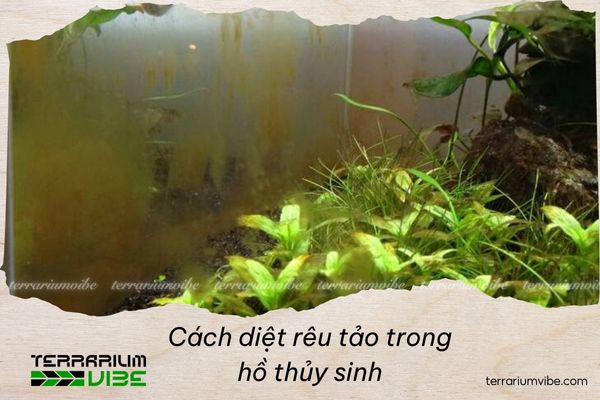
Algae commonly appear in planted tanks when the ecosystem is out of balance. They thrive under conditions of excessive light, nutrient overload (especially nitrates and phosphates), or when the beneficial bacteria haven’t fully established yet.
Understanding the characteristics and causes of algae outbreaks
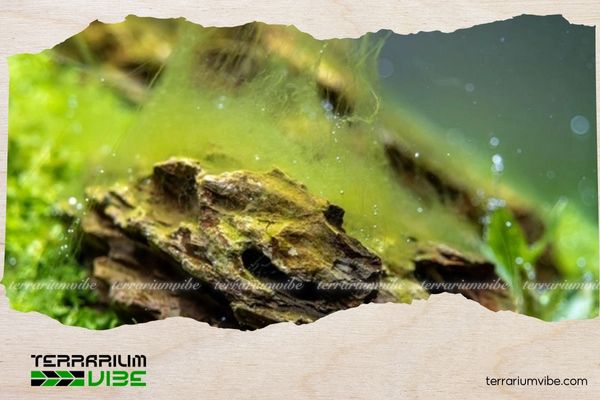
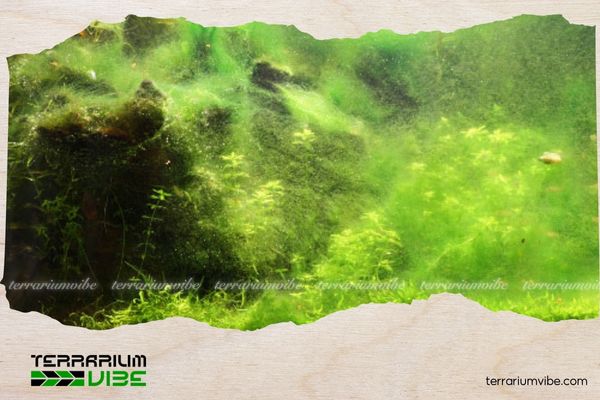
Certain types of algae like hair algae, blue-green algae, or black beard algae can spread rapidly. They cling to plants, hardscape, and even the tank glass, making your aquascape look messy and difficult to manage. The root causes may include irregular water changes, overdosing liquid fertilizers, keeping the light on too long, or lacking cleanup crew species. In such cases, knowing how to remove algae in a planted tank is crucial.
How to remove algae in a planted tank effectively and safely
To remove algae without harming your tank’s delicate ecosystem, hobbyists should combine several gentle and sustainable methods instead of harsh interventions.
Start by reducing the lighting period—ideally to 6 to 8 hours per day—if excess light is fueling algae growth.
Then, assess and adjust your fertilizer dosing to avoid nutrient spikes. Weekly water changes of 30–50% help eliminate nitrate buildup, which fuels algae.
How to remove algae in a planted tank effectively and safely
Basic tools like soft brushes or tweezers can also assist in removing stubborn algae from rocks, glass, and plant leaves.
If needed, algae-removal products can be used sparingly, but natural methods should always be prioritized for long-term stability.
Helpful creatures to support how to remove algae in a planted tank naturally
Using algae-eating species is one of the most natural and effective ways to keep your aquascape clean. These tiny helpers not only silently remove algae but also help maintain ecosystem balance.
Here are some commonly recommended species to support how to remove algae in a planted tank:
- Otocinclus catfish (Otto): Small but mighty at cleaning up soft algae on glass and leaves.
- Amano shrimp: Among the best algae eaters, especially effective against hair and brown algae.
- Siamese Algae Eater (SAE): Can consume stubborn black beard algae that most other species ignore.
- Nerite snails: Slow-moving but diligent, great for smaller tanks with a decorative touch.
- Cherry shrimp: Eat soft algae while adding a pop of color to the aquascape.
Helpful creatures to support how to remove algae in a planted tank naturally
Creative and budget-friendly tips on how to remove algae in a planted tank
To address algae creatively and on a budget, try these simple, effective techniques:
- White vinegar: Dilute with water and spray onto algae-covered areas. Effective but avoid prolonged contact with plants.
- Crushed eggshells: Add to the tank to help balance pH, reduce algae growth, and provide calcium for plants.
- Reduce lighting: Limit light to 6–8 hours/day to cut down algae-favoring conditions.
- Add algae eaters: Introduce Otos, Amano shrimp, or Nerite snails to maintain balance naturally.
- Frequent water changes: Replace 30–50% of the tank water weekly to lower excess nutrients. This is one of the most reliable methods of how to remove algae in a planted tank.
Creative and budget-friendly tips on how to remove algae in a planted tank
Long-term strategies for a stable, algae-free planted tank
To maintain a stable and clean tank, adopt a holistic strategy that includes tank maintenance, nutrient control, and helpful organisms:
- Adjust lighting: Limit exposure to 6–8 hours/day.
- Control nutrients: Change 30–50% of the water weekly and avoid overfertilizing.
- Use natural algae-eaters: Species like Otocinclus and Amano shrimp help with long-term algae control.
- Trim plants regularly: Remove dead leaves to prevent decay and algae buildup.
- Maintain pH and hardness: Keep water parameters stable for plant and livestock health.
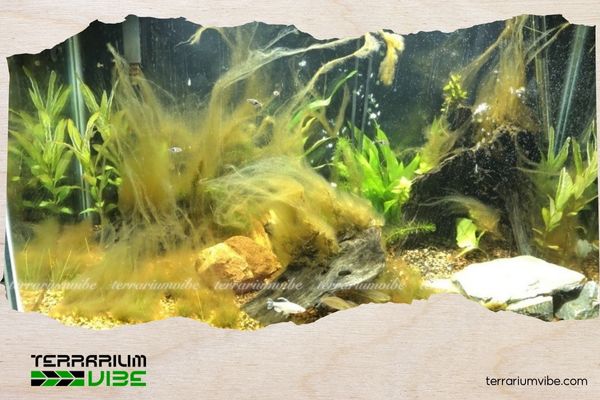
Long-term strategies for a stable, algae-free planted tank
By following these safe and effective tips from Terrarium Vibe, you’ll build a thriving environment for your plants and aquatic friends. Remember: maintaining a beautiful planted tank isn’t difficult when you understand how to remove algae in a planted tank and apply the right techniques.