


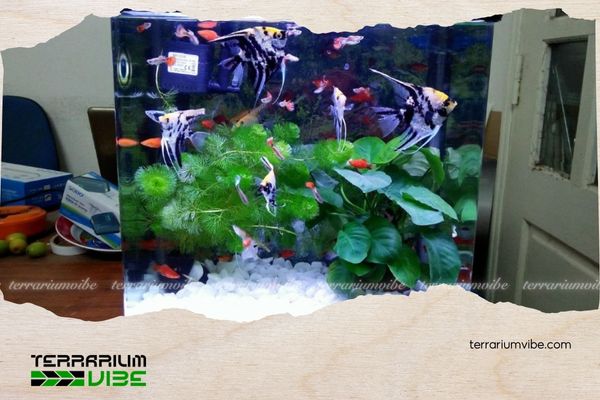
Lighting for a Newly Planted Aquascape: How Many Hours to Keep the Lights On In a Newly Planted Aquascape?

If you’re new to aquascaping, one of the most common questions you’ll ask early on is: how many hours to keep the lights on in a newly planted aquascape? At Terrarium, we’re here to help you understand exactly how to adjust your lighting schedule to support your aquascape’s growth while avoiding common pitfalls like algae bloom or melting leaves.
Why Is Lighting Essential in a Planted Aquarium?
Lighting plays a critical role in the life of Terrarium plants. It powers photosynthesis, allowing plants to grow, establish roots, and maintain their vibrant colors. Beyond functionality, aquarium lighting also enhances the visual appeal of your setup.
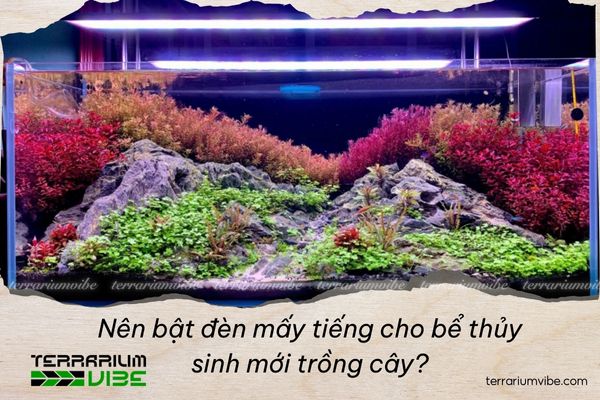
Importance of Light for Aquatic Plant Growth
For newly planted aquariums, providing the right amount of light helps plants acclimate to their new environment and encourages stronger root development from the very beginning.
How Many Hours Should You Keep the Lights On in a Newly Planted Aquascape?
To determine how many hours to keep the lights on in a newly planted aquascape, it’s essential to break it down by the tank’s development stages. Each phase requires a slightly different lighting schedule to support plant adaptation and healthy growth:
- Weeks 1–2: Start with 6–8 hours of light per day. This gives plants enough energy to adjust while minimizing the risk of algae outbreaks.
- Weeks 3–4: Once plants begin to root and show signs of stable growth, increase the lighting to 8–10 hours per day.
- After Week 4: Your aquascape should now be more established. You can extend the lighting period to 10–12 hours per day to encourage lush, balanced growth.
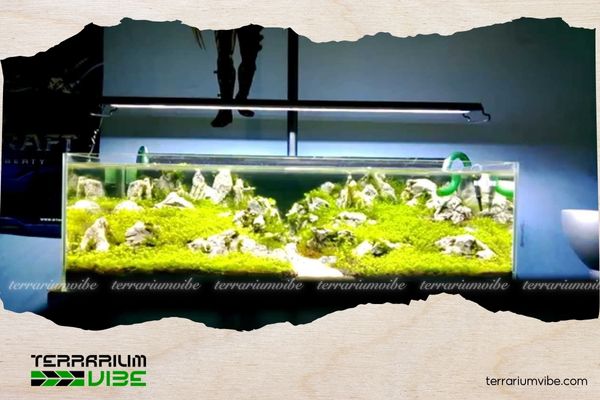
How Many Hours to Keep the Lights On In a Newly Planted Aquascape?
Pro Tip: Adjust based on plant type and tank conditions. Some species require more or less light, and every tank ecosystem is unique. Monitoring your plants and algae levels will help you fine-tune your setup.
Important Lighting Tips for a Healthy Planted Aquarium
To ensure long-term success and a thriving aquatic environment, lighting isn’t just about duration. Here are key things to consider when setting up and managing your tank’s lighting system:
Choose the Right Light for Planted Tanks
Go for full-spectrum lights with a color temperature around 6500K, which closely mimics natural daylight and supports plant photosynthesis. LED lights designed specifically for planted tanks are ideal—they’re energy-efficient and deliver consistent performance. Make sure the light output matches the size of your tank and the lighting needs of your plants.
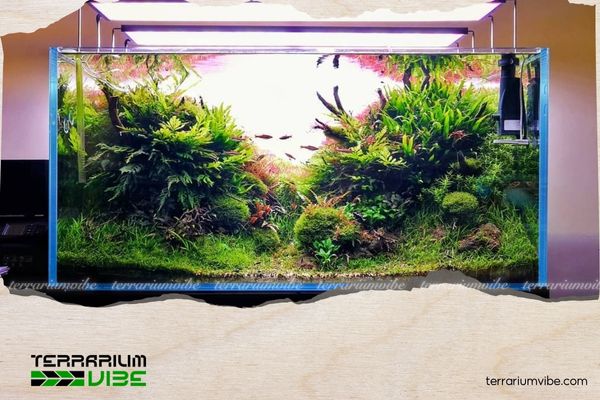
LED Light for Aquascaping – 6500K Spectrum
Don’t Overdo It
More light isn’t always better. Over-lighting can trigger algae growth and stress your plants. Avoid running your lights 24/7—plants need a rest period too. Stick to the recommended lighting hours mentioned above to maintain ecological balance.
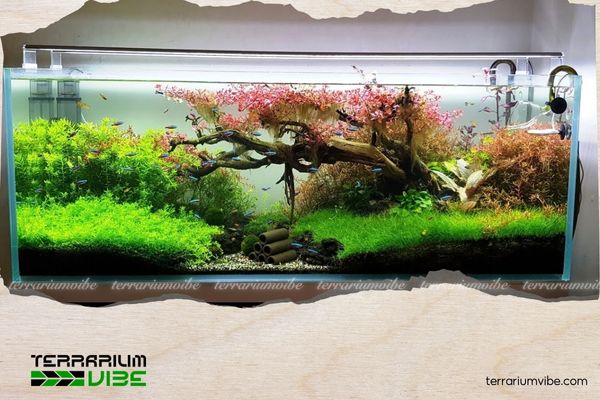
Algae Growth from Excessive Aquarium Lighting
Position Plants Before Finalizing Your Lighting Setup
Plan your aquascape layout with lighting in mind. Place light-loving plants in central or top-lit areas, while shade-tolerant species can thrive near the edges or under taller plants. This helps distribute light effectively and ensures even growth.
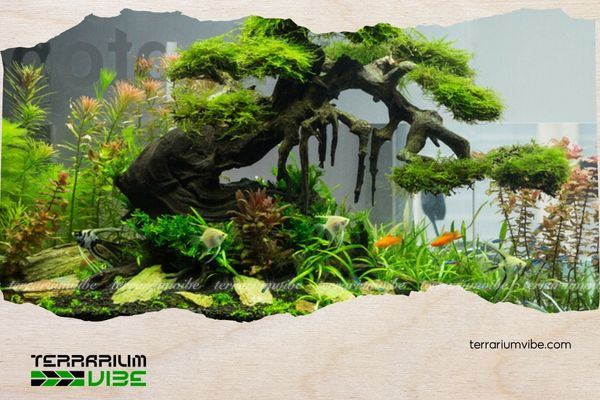
Strategic Plant Placement in Aquascape for Optimal Lighting
Use a Timer to Automate Lighting
A light timer is a must-have. It automates your lighting schedule, ensuring your plants receive consistent light each day—no more forgetting to turn the lights on or off. Regular cycles also help reduce algae growth caused by irregular lighting.
Aquarium Light Timer for Consistent Lighting Schedule
At Terrarium, we hope this guide gives you a clearer understanding of how many hours to keep the lights on in a newly planted aquascape. With the right lighting setup and a little observation, your planted tank will soon flourish into a thriving underwater garden.