


Common Types of Harmful Aquarium Algae and How to Effectively Deal with Them

Harmful algae are one of the most common and frustrating issues faced by aquascaping enthusiasts. They not only ruin the visual appeal of your tank but also threaten the health of aquatic plants and fish. In this guide, Terrarium will help you identify the common types of harmful aquarium algae, understand what causes them, and learn how to get rid of them effectively to maintain a clean, healthy aquatic environment.
Common Types of Harmful Aquarium Algae
Algae outbreaks are common in planted aquariums. Identifying the exact type of algae early allows for quicker, more targeted treatment. Below are the most frequently encountered types of harmful algae in aquascaping:
Black Beard Algae (BBA)
Black beard algae is one of the most stubborn and unsightly algae types found in aquariums. It appears as dense, dark tufts growing on rocks, driftwood, plant leaves, and equipment.
- Causes: Strong lighting, unstable CO₂ levels, and weak water circulation.
- How to fix: Increase CO₂, spot-treat with Seachem Excel, and add Siamese Algae Eaters (SAE) to help keep it under control.
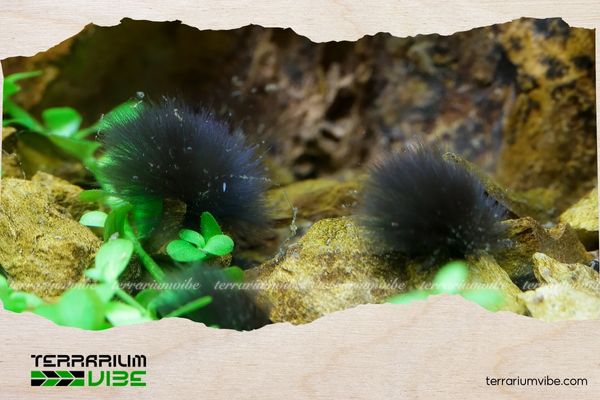
One of the common types of harmful aquarium algae – Black Beard Algae (BBA)
Hair Algae
Hair algae forms soft, green filaments that cling to plant tips and hardscape elements. It can quickly overtake your aquascape if left unchecked.
- Causes: Excess nutrients, prolonged lighting, and poor water flow.
- How to fix: Prune affected areas, reduce fertilization and light duration, and introduce Amano shrimp or Otocinclus catfish.
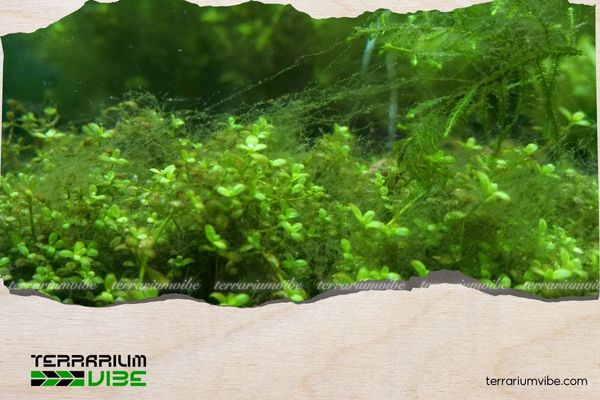
Hair Algae
Thread Algae
Thread algae has longer, more elastic strands than hair algae and often forms in areas with low circulation.
- Causes: Accumulated organic waste, too much light, and irregular water changes.
- How to fix: Increase water changes, limit feeding and lighting, and use algae eaters like Amano shrimp.
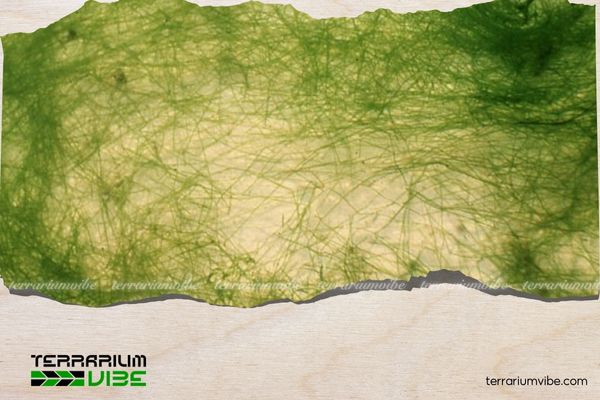
Thread Algae
Blue-Green Algae (Cyanobacteria)
Despite its name, this is actually a type of bacteria, not true algae. It forms thick, slimy, foul-smelling mats and spreads rapidly.
- Causes: Dirty substrate, poor oxygenation, weak current, and inconsistent lighting.
- How to fix: Perform a complete blackout (no light for 3–5 days), treat with Erythromycin if needed, and improve flow and tank hygiene.
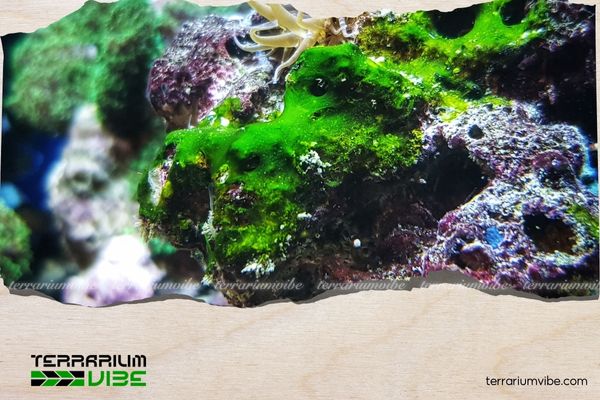
Blue-Green Algae (Cyanobacteria)
Brown Algae (Diatoms)
Brown algae is often seen in newly set-up tanks. It forms a dusty brown layer on glass, substrate, and plant surfaces.
- Causes: Low light levels, high silicates in the water, and immature bacterial colonies.
- How to fix: Increase lighting, perform regular water changes, and add Otocinclus catfish to naturally clean it up.
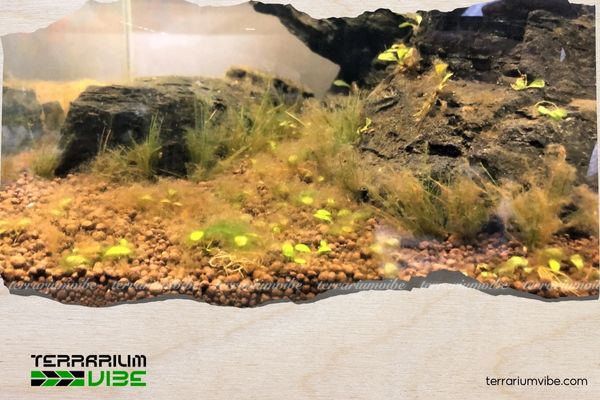
Brown Algae (Diatoms)
Green Dust Algae (GDA)
GDA appears as a thin green film on glass and is difficult to remove if cleaned too often or too soon.
- Causes: Excess phosphate, intense lighting, and lack of microbial competition.
- How to fix: Allow it to complete its growth cycle (3–4 weeks), then clean the glass in one go. Nerite snails or algae-eating fish can help prevent regrowth.
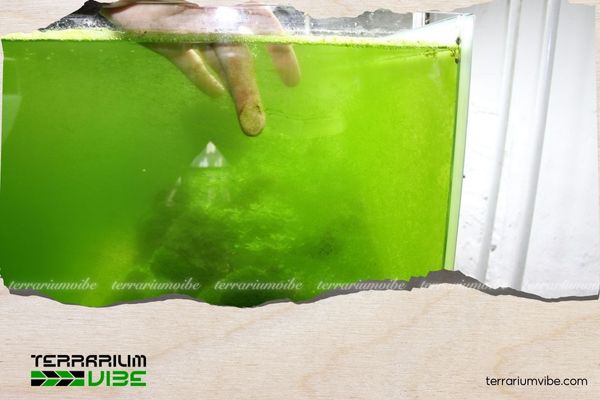
Green Dust Algae (GDA)
How to Prevent and Manage Algae in Planted Tanks
To prevent common types of harmful aquarium algae outbreaks in planted aquariums, it’s essential to maintain stable conditions and consistent care:
- Control lighting: Limit to 6–8 hours per day.
- Stabilize CO₂ levels: Healthy plant growth helps outcompete algae.
- Balance nutrients: Avoid over-fertilizing and overfeeding.
- Regular water changes: Replace 30–50% weekly to remove waste.
- Use algae eaters: Add Otocinclus, SAE, Amano shrimp, or Nerite snails.
How to Prevent and Manage Algae in Planted Tanks
By recognizing the common types of harmful aquarium algae early and applying the right solutions, you can maintain a beautiful, balanced planted tank. Regular monitoring and proper tank maintenance are key to keeping algae under control and your aquascape thriving.