




For those just getting into aquascaping, planting aquatic plants on rocks is an excellent starting point. It’s simple, low-maintenance, and can dramatically enhance the look of your aquarium. In this guide, we’ll walk you through how to effectively plant aquatic plants on rocks—making your tank look more vibrant and natural with minimal effort.
Choosing the right rocks for aquatic plants
-

Choosing the right rocks for aquatic plants
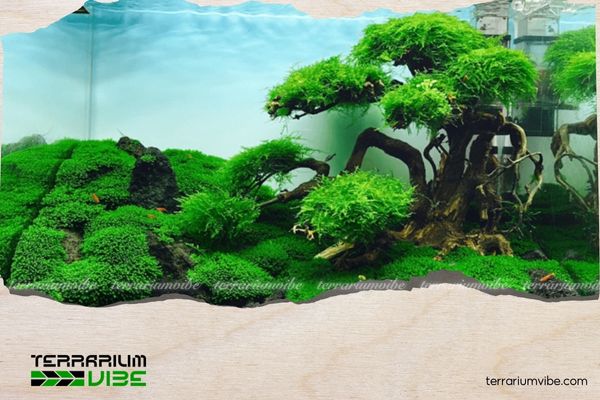
Rocks are more than just decorative—they provide a solid foundation for aquatic plants to anchor and thrive. When selecting rocks, look for ones with a rough or textured surface. These make it easier for plant roots to grip and establish. Some of the most popular types of rocks used in aquascaping include:
Lava Rock: Lightweight and porous, lava rock is ideal for beginners. Its airy structure supports strong root growth while also serving as a home for beneficial bacteria, which can help maintain water quality.
Tiger Rock & Seiryu Stone: These rugged, groove-filled stones offer plenty of grip for plant roots—no need for heavy adhesives or ties. They also add a striking, natural aesthetic to your layout.
Sedimentary Rock & Limestone: Perfect for creating a wild, untamed look. However, be mindful of their potential impact on water pH. Some types of limestone can raise alkalinity, which may affect both plant and fish health.
Choosing the right rock type not only supports plant growth but also contributes to a balanced and visually appealing aquascape.
How to Plant Aquatic Plants on Rocks
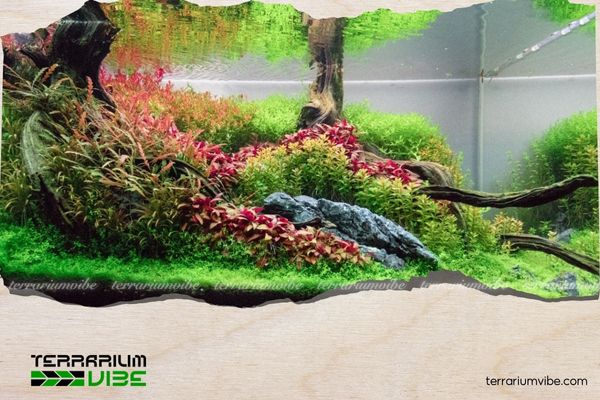
How to Plant Aquatic Plants on Rocks
While the technique isn’t overly complex, following the right steps ensures your aquatic plants stay healthy and secure. Here’s a step-by-step guide to help you plant like a pro:
1. Gather your materials
Start by selecting aquatic plants that naturally anchor well to rocks. Great beginner-friendly options include Java Moss, Weeping Moss, Java Fern, Anubias, and Bucephalandra. These species don’t need to be rooted in substrate and can thrive just by attaching to hard surfaces.
Next, choose your rocks—lava rock, Tiger rock, Seiryu stone, or sedimentary varieties all work well, both for aesthetics and root support. You’ll also need securing tools like nylon thread, cotton string, or aquarium-safe glue to help keep the plants in place during the initial rooting phase.
2. Prep the plants
Before planting, inspect your plants carefully. Trim away any overly long roots or yellowing leaves. This helps redirect the plant’s energy to healthy root development and improves adaptation to the tank environment.
For mosses like Java Moss or Weeping Moss, divide them into small sections. This makes it easier to attach them evenly across the rock’s surface, allowing for uniform growth and a lush, natural green carpet over time.
3. Attach plants to rocks
If using thread or string, gently tie the plant to the rock, ensuring the roots make good contact with the surface. Cotton string is a great option—it biodegrades over time, allowing the plant to secure itself naturally.
If using aquarium glue, apply a tiny dot to the rock, press the root or rhizome in place, and hold for a few seconds. Let the glue dry completely before submerging the rock into your tank to prevent water contamination.
4. Place the rock in your aquarium
Once your plant is secured, place the rock in your tank according to your desired layout. It’s best to finalize your design before placing anything in the water—frequent adjustments can disturb the roots and slow down the attachment process.
As you design your aquascape, consider mixing plant types, shapes, and colors to create a balanced, eye-catching layout. A well-thought-out composition not only enhances visual appeal but also supports healthy growth for all your aquatic plants.
And there you have it—a complete beginner’s guide to planting aquatic plants on rocks. We hope these tips help you create a thriving and visually stunning aquascape.