

How to attach aquatic plants to driftwood: A simple guide for beginners

Attaching aquatic plants to driftwood is a key step in creating a thriving, visually appealing aquascape. If you’re curious about how to do this effectively—especially as a beginner—this guide is for you!
What is aquarium driftwood?
-

What is aquarium driftwood?
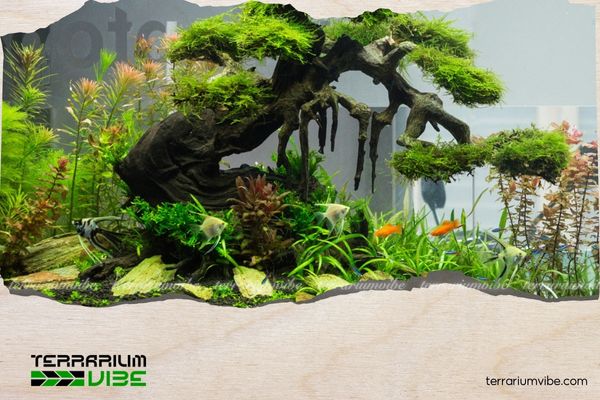
Aquarium driftwood is a type of natural wood that has partially decomposed or been waterlogged over time. This process removes resins and impurities, leaving behind durable, water-safe wood. It’s a staple in aquascaping, used to build natural layouts, anchor plant roots, and provide shelter for fish, shrimp, and beneficial microorganisms.
There are several types of driftwood commonly used in aquariums, including Spiderwood, Mopani, Bonsai Driftwood, and Rhododendron Root. Each type offers its own unique texture, color, and shape, making them ideal for various aquascaping styles like jungle, rock-based layouts, or paludariums. Beyond its aesthetic appeal, driftwood also releases small amounts of tannins, which help mimic natural habitats—especially in biotope-style tanks.
How to attach aquatic plants to driftwood effectively
-
How to attach aquatic plants to driftwood effectively
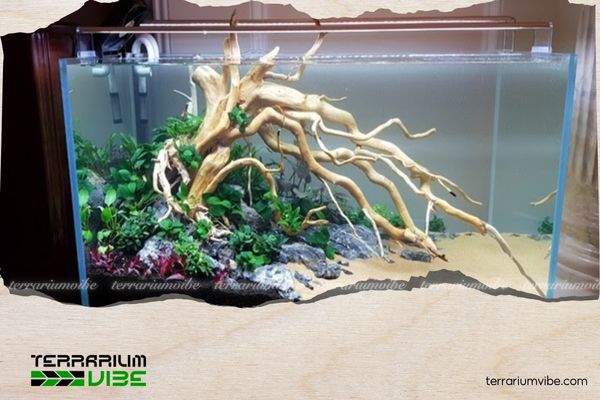
Using driftwood to mount aquatic plants not only enhances the tank’s visual appeal but also promotes healthy plant growth. Here’s a step-by-step breakdown to help you get started:
1. Choose the right plants
Not all aquatic plants are suitable for attaching to driftwood. For best results, opt for species that naturally anchor themselves without needing to be rooted in substrate. These plants typically have strong root systems or rhizomes that easily cling to wood surfaces.
Aquatic mosses are a top choice thanks to their quick grip and lush appearance. Popular varieties like Java Moss, Weeping Moss, and Christmas Moss will gradually spread across the wood, creating a soft, forest-like effect.
Rhizome plants like Java Fern, Anubias, and Bucephalandra are also ideal. These plants don’t require planting in the substrate and will naturally root into the driftwood over time, staying healthy and stable.
2. Prepare the driftwood
Before attaching plants, it’s essential to prep the driftwood properly. Start by rinsing it thoroughly under running water to remove any dirt or loose debris. Use a soft brush to scrub off stubborn particles or algae. If there are any rotten sections, trim them off to prevent water contamination.
Next, soak the driftwood for several days—or even a few weeks, depending on the type. Soaking helps saturate the wood, preventing it from floating when placed in your tank. It also releases excess tannins, which can discolor the water. If tannin levels are too high, consider boiling the driftwood for 1–2 hours. This speeds up tannin removal and kills any lingering bacteria or fungi on the surface.
3. Simple methods to attach aquatic plants to driftwood
There are two main techniques you can use to attach aquatic plants to driftwood, depending on your plant choice and the look you’re going for:
Method 1: Fishing Line or Cotton Thread
This is a classic and reliable method. Position the plant where you want it on the driftwood, keeping the layout balanced for aesthetic flow. Then, gently wrap fishing line or cotton thread around both the plant and the wood to secure the roots in place. Be careful not to tie too tightly, as this can damage the plant.
Method 2: Aquarium-Safe Glue
If you’re looking for a quick and easy solution, try using aquarium-safe super glue. Just apply a small dab of glue to the driftwood where you want to place the plant. Press the roots gently onto the glue and hold for a few seconds. Avoid overusing glue, as this can hinder root development. Over time, the plant will naturally anchor itself, creating a seamless, organic appearance.
And that’s it! You now know how to attach aquatic plants to driftwood like a pro. Whether you’re creating a lush aquascape or simply experimenting with layouts, these tips will help bring your vision to life.