


What is Terrarium? A Comprehensive Guide to Terrarium Art
Welcome to TerrariumVibe, where tranquility meets creativity. When you come across this article, it means we share at least one common interest or passion - a love for tranquility, a yearning for nature, and an affection for the simplicity of terrariums And today, we'll delve into the core concept of this passion: What is terrarium? Let's explore with Terrarium Vibe the general aspects of what terrariums are all about!
What is Terrarium?
Terrarium, in simple terms, refers to an artistic model creating miniature landscapes that mimic natural environments. Specifically, it involves creating a plant-growing environment within a glass container for interior decoration, plant cultivation, pet keeping, exhibition display, serving educational purposes, and entertainment. Terrariums are becoming increasingly popular and widely loved!
In academic explanation, a terrarium is a miniature model of a natural ecosystem consisting of elements such as soil, rocks, water, and air enclosed within a sealed space to create a living environment for plants or even small animals to thrive naturally.

Let's explore the history of terrariums with terrariumvibe
Terrariums originated from a serendipitous event in 1842. While observing insects, Dr. Nathaniel Bagshaw Ward, a physician and botanist, accidentally left a glass jar containing fern spores. Later, the spores sprouted into plants.
Mr. Ward discovered that plants could still thrive in enclosed conditions. Hence, he began producing plant cases to transport from England to Australia and vice versa. And the plant species continued to thrive well after the long journey.
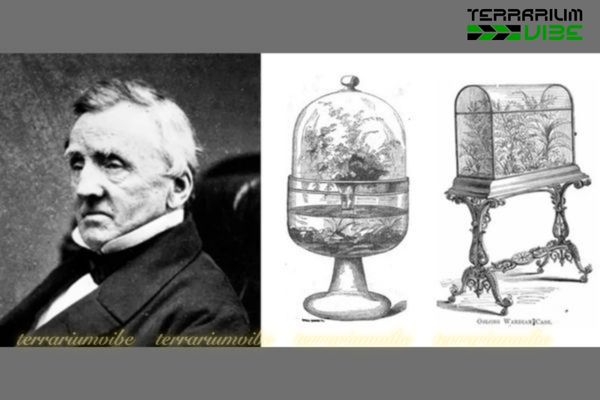
Through his experiments, he discovered the 'Terrarium'.- a closed environment for growing plants within a glass container. This is the origin of cultivating plants within terrariums as we know it today.
Terrarium, Paludarium, and Vivarium differ in what ways?
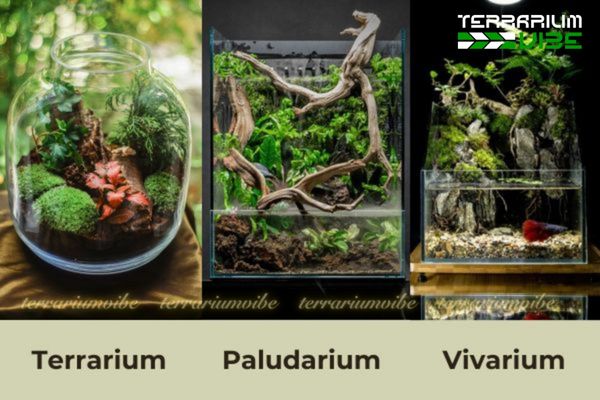
There are three common types of simulated ecosystems for nurturing plants and animals: Terrarium, Paludarium, and Vivarium. However, there are distinct differences among these three types of ecosystems for cultivation, as follows:
- A terrarium is a simulated terrestrial ecosystem designed to cultivate plants and animals that thrive in dry, land-based environments. Soil serves as the primary substrate. and the terrarium's atmosphere is typically drier compared to the other two types of ecosystems
- A paludarium is a hybrid ecosystem that combines both terrestrial and aquatic elements, creating a semi-aquatic environment. It simulates a wetland habitat with relatively low water levels, making it suitable for various semi-aquatic plant species Amphibians can also be housed within a paludarium.
- A vivarium mimics a riverbank ecosystem, featuring a high water content that exceeds 50%. It provides an ideal environment for lush vegetation and moisture-loving animals.
Diving deeper, let's explore the various types of Terrariums. Join me in the following section.
Distinguishing between Terrarium types
Terrariums can be broadly categorized into two main types: Open Terrariums and Closed Terrariums. Just by hearing the names, you can likely envision their characteristics, don't you agree?
Opened Terrarium
An Opened Terrarium, also known as a non-sealed Terrarium, presents a unique miniature ecosystem capable of exchanging gases with the external environment. This type serves as an ideal gateway for those embarking on their journey into the captivating world of terrariums.
Open Terrarium offers a variety of habitats, fostering the growth and development of numerous plant species. Notably, drought-tolerant and light-loving plants such as succulents and cacti thrive in this setting, creating a vibrant and captivating miniature landscape. However, Open Terrarium is not suitable for raising animals due to its gas exchange with the external environment. Small animals can easily escape, affecting the ecosystem's development and their well-being.
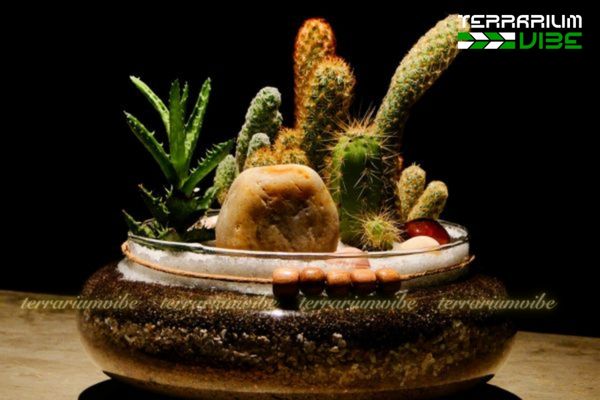
To maintain an Open Terrarium, it is imperative to ensure optimal levels of nutrients, humidity, light exposure, temperature, and adequate ventilation for the ecosystem. Furthermore, careful selection of compatible plant species is essential to prevent any potential ecological imbalances. Concurrently, it is imperative to carefully choose plant species that are compatible with one another to prevent potential environmental discrepancies.
Closed Terrarium

Caring for a Sealed Terrarium is paramount to maintaining the delicate equilibrium within its ecosystem. Despite its enclosed nature, regular attention is essential to uphold optimal moisture levels, achieved through periodic lid adjustments to alleviate excess humidity or targeted watering when necessary. Closed Terrariums are often perceived as more challenging for beginners to engage with than their open counterparts.
A closed Terrarium, also called a Sealed Terrarium, represents a self-sustaining ecosystem, encapsulating a harmonious balance of biological elements within a closed environment. It's a model of a closed ecological system, wherein all necessary elements such as nutrients, moisture, light, and temperature are present to support the normal growth of both plant and animal species.
Closed Terrariums are suitable for moisture-loving plants like moss and ferns. Additionally, they are ideal for nurturing small reptiles and insects. Additionally, they are ideal for nurturing small reptiles and insects. The substrate (or base layer) commonly used in these setups contains moisture-retaining materials such as peat, rocks, and moss to maintain stable humidity levels.
The other styles of Terrarium
Let's explore three other types of Terrariums: Succulents Terrarium, Air Plant Terrarium, and Desert Terrarium. Let's delve into their care routines as follows
Succulents Terrarium
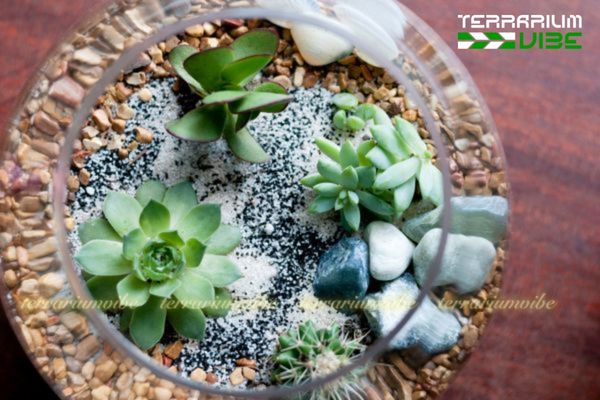
As a style specializing in growing Succulents, the Succulents terrarium commonly featuring the following characteristics:
- Perfect for adorning interiors, it seamlessly complements diverse settings, from cozy homes to bustling offices and charming cafes.
- Beyond its visual allure, this verdant Terrarium sanctuary purifies the air, soothes the soul, alleviates stress, and fosters an intimate bond with the natural world.
How to maintain a Succulent Terrarium?
The Succulent Terrarium is deemed quite suitable for beginners, given the ease of cultivating succulents. When it comes to caring for your Succulent Terrarium, it's essential to bear in mind the following considerations:
- Placement: Position your terrarium in an area with ample natural light, while steering clear of direct sunlight to prevent rapid temperature fluctuations.
- Moisture Control: Maintain a balanced environment within the terrarium, ensuring it is not excessively damp or humid, as this can impede the plants' growth.
Certainly, Terrariumvibe will delve into more detailed care instructions for Stone Lotus Terrariums in subsequent content. Stay tuned for further insights!
Air plant Terrarium
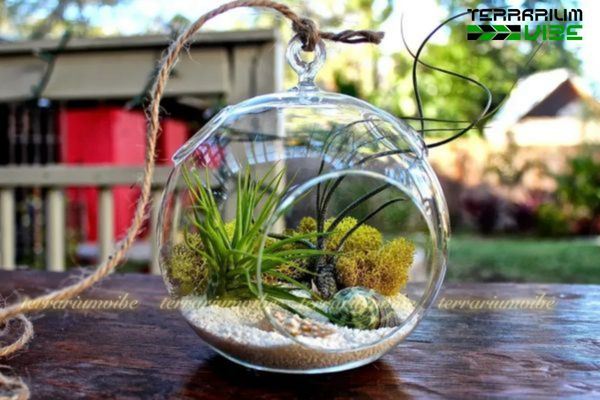
Air plants, also known as Tillandsia, are a unique botanical species that thrive without the need for soil, existing and flourishing solely on moisture, air, and a delicate mist.
Air plant Terrariums offer a multitude of advantages. They not only lend a distinctive aesthetic to living spaces but also serve as effective air purifiers, enhancing overall air quality. Moreover, air plants also can absorb toxic gases in polluted environments, and pollutants are considered a source of nutrients for plants.
How to take care of and maintain an air plant terrarium?
Air plant terrariums are relatively easy to care for, as the plants are hardy and have low nutritional needs. You only need to mist them daily to ensure they have enough humidity, avoid letting water collect in the leaf axils, and place the terrarium in a well-lit area out of direct sunlight.
Paludarium
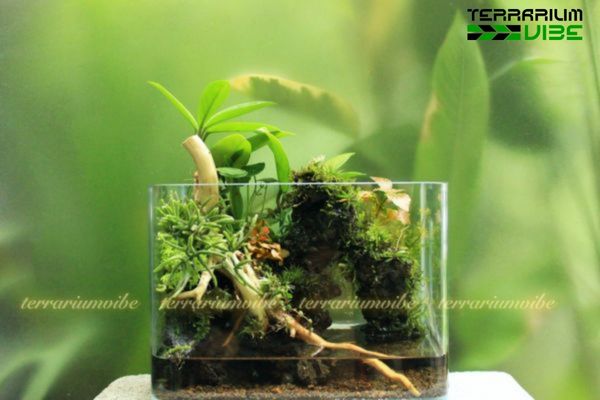
A Paludarium (semi-aquatic terrarium) has a thin layer of potting soil or sand, only 1-3 cm deep. In addition, this environment will be flooded and the water level is usually about 5 to 10 cm high. This ecosystem is suitable for plants that require high humidity, have shallow roots, and can be combined with underwater plants/animals.
Some General Features of a Paludarium You Should Know:
- Combining Aquatic Creatures and Amphibians: Paludariums allow you to keep small aquatic animals or amphibians, depending on your preference.
- Regular Water Monitoring and Refilling: It’s essential to check and replenish water levels regularly.
- Diverse Plant Variety: You can cultivate a wider range of plant species within the same paludarium.
What's Inside a Terrarium?
Okay. Alright, you've got some general information about terrariums. So what is its structure?
A terrarium is usually made up of 4 layers: the substrate layer, the hardscape layer, the plant layer, and the lighting layer Let's delve into the details of the first layer, the substrate layer.
The substrate layer.

The substrate layer is the foundation on which the terrarium ecosystem is built. It is typically made of soil, sand, coconut coir, or lava rock. The substrate layer provides nutrients and a living environment for the plants above. The type of substrate can be chosen depending on the type of plants and animals the terrarium maker wants to grow/keep.
Hardscape Layer
The hardscape layer is the decorative layer that includes hard materials such as rocks, driftwood, and foam to create shapes and change the terrain inside the terrarium. This creates a focal point and provides hiding and breeding places for small animals and plants.
Depending on the desired model and ecosystem, enthusiasts can flexibly select suitable hardscape materials. Commonly used materials include lava rocks, stones, and foam...
Plant layer
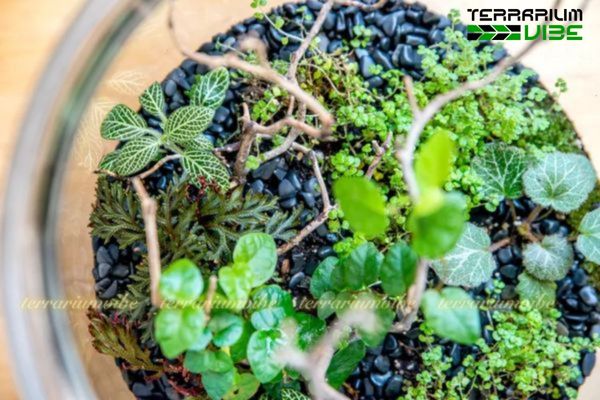
The plant layer is the heart of the terrarium. It is the top layer and can be made up of plants and vines that are suitable for the environmental conditions inside the terrarium. Plants will provide shade, supply oxygen, and absorb carbon dioxide. They also create a living environment and food source for other organisms.
This is the place where you get to unleash your imagination and expertise, infusing soul into a magnificent terrarium. From orchestrating an array of plant species to blending diverse greenery... Terrarium aficionados are eagerly anticipating your sharing of some snapshots of your very own terrarium in the comments section
Light layer
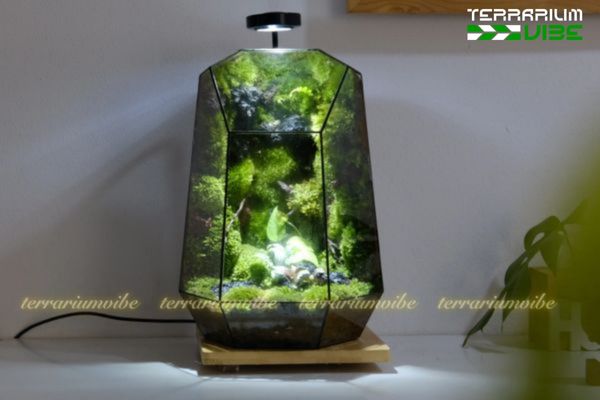
Light is an indispensable element to support the photosynthesis process of various plant species. In addition to sunlight, it's essential to choose suitable lighting to provide sufficient light and temperature to sustain the lives of both animals and aquatic plants within the Terrarium.
If we consider the plant layer as the beating heart, the very essence of the terrarium, then light becomes the dazzling attire you can adorn your miniature world with.
When this botanical layer is meticulously curated and balanced, light becomes a mesmerizing enchantment, elevating the Terrarium into a splendid realm of natural wonder.
What are the prevalent plant species typically cultivated in Terrariums?
Below are some common plant species you can consider for your Terrarium:
For a closed terrarium, suitable for plants that thrive in high humidity:
- Various Ferns: Flourish in high humidity, sprouting new fronds generously.
- Mosses: Cling to surfaces like rocks, wood, ensuring stable moisture levels.
- South American Bromeliads: Unique flowers, requiring high humidity.
- Soleirolia Soleirolii: Soft, lush green leaves, ideal for moist environments.
- Fittonia argyroneura: Flourishes when sheltered in a closed environment.
- ...
- Palour Palm: It is compact and requires high humidity.
- ...
For open Terrarium landscapes, suitable plant options include various mosses, orchids, lucky bamboo, ferns, Norfolk Island Pine, miniature jade plants, dragon's tongue, club moss, rattlesnake plant, stone lotus, and succulents.
What are the common tools used for Terrariums?
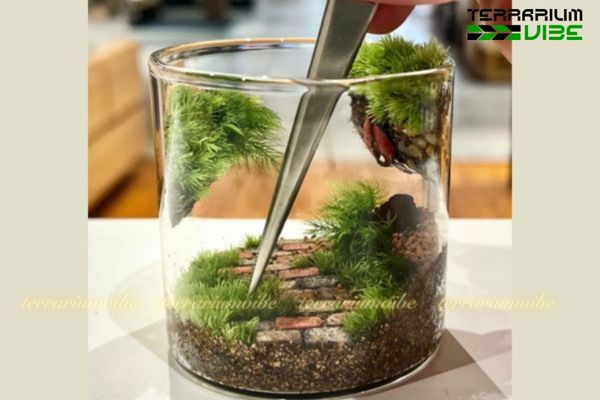
For a smoother terrarium-making process, it's beneficial to have a dedicated set of tools. Commonly used tools for Terrariums include short-bladed and long-bladed shovels, tweezers, spoons, brushes, and various small-scale manipulation aids.
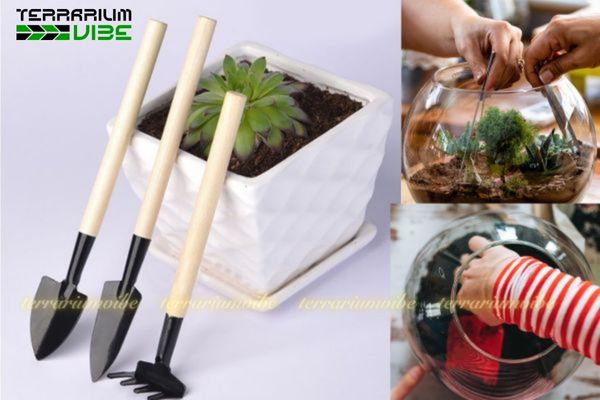
If you don't have these tools, don't fret; you can still create your terrarium. However, lacking these tools might prolong the arrangement process and, at times, affect the overall layout due to larger hand sizes.
How to care for your Terrarium?
Properly caring for a terrarium is essential for establishing a stable and visually appealing microenvironment for its plant inhabitants. Here's a standardized care regimen:
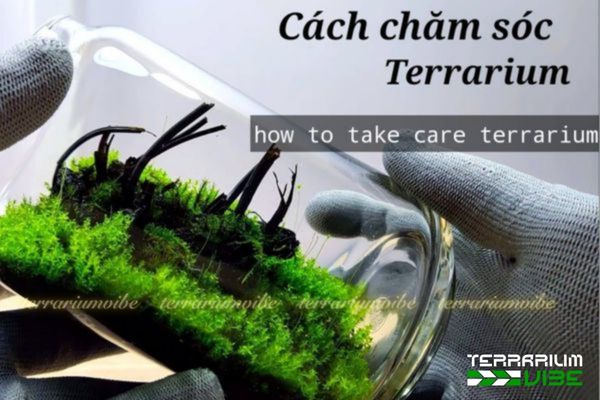
- Light and Temperature: Ensure adequate lighting and monitor temperature levels carefully. Position the terrarium in an area with natural or indirect light, maintaining temperatures between 16 to 32 degrees Celsius, depending on the predominant plant species.
- Watering: Precise watering is key. For enclosed terrariums, water approximately once every 1-2 weeks. Open terrariums require more frequent watering, possibly 1-2 times daily.
- Humidity: Maintain optimal humidity levels, avoiding excess water accumulation, particularly in paludarium.
- Sanitation: Regularly clean the glass surfaces and remove dead or decaying leaves to prevent the growth of mold and other detrimental organisms.
- Routine Inspection: Conduct regular observations to promptly identify any signs of abnormalities, such as pest infestations or diseases.
It's important to note that each type of terrarium has unique care requirements based on the specific plant species and environmental conditions.
In conclusion about "what is terrarium?"
So, for those of you who are new to this and looking to gain a better understanding, you now have a broader perspective on what terrariums entail, correct? Let's reiterate. When you engage in terrarium-making, you're essentially crafting a simulated habitat for plants within either a sealed or open environment. Constructing and nurturing a terrarium demands a comprehensive grasp of plant and animal growth dynamics to uphold ecological equilibrium. Beyond its aesthetic allure, terrariums also serve an educational purpose, imparting insights into natural laws, safeguarding the habitats of petite organisms, and fostering inner tranquility.
With the hope that the insights provided by Terrariumvibe have furnished you with foundational knowledge regarding the essence of terrariums and the enriching benefits they bring to your life. Now, you can answer yourself what is terrarium.
FAQ about What is Terrarium?
A well-maintained Terrarium, meticulously crafted and nurtured, can sustain itself for an extended period, possibly even years.
Indeed, especially for sealed terrariums. They possess the capability to recycle water internally, eliminating the need for frequent watering, and thereby maintaining their ecosystem autonomously.
Activated charcoal serves a pivotal role in purifying the terrarium environment by filtering toxins, bacteria, and unpleasant odors. However, with the availability of nutrient-rich substrate mixes, the necessity of activated charcoal may vary.
Yes, tap water can be utilized for a Terrarium after allowing it to dechlorinate by sitting for a few hours or overnight
For sealed terrariums, opening the lid and misting every 3 - 4 months suffices to replenish moisture levels. . However, regular monitoring is recommended, especially for beginners, to ensure optimal conditions.
No, Terrariums only necessitate 8-12 hours of light per day, mirroring the natural daylight cycle. Natural light or neutral LED lights can be employed to fulfill this requirement.