


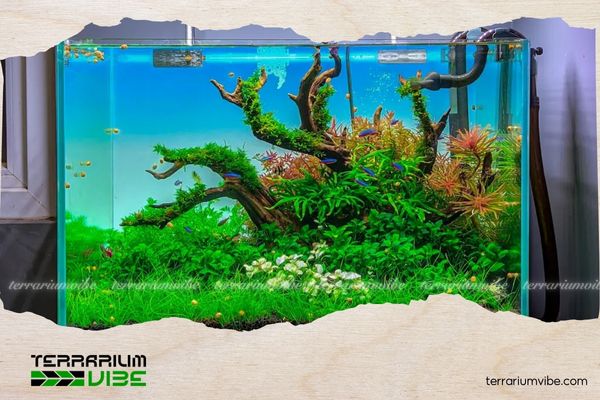
Complete Guide: How to Use a CO2 Tank in a Planted Aquarium (From A to Z)

CO2 plays a critical role in helping aquatic plants thrive, especially in planted aquariums with dense vegetation. In this detailed guide from Terrarium, we’ll walk you through how to use a CO2 tank in a planted aquarium effectively, so your aquatic plants stay lush and healthy with minimal algae growth.
Popular Types of CO2 Tanks for Planted Aquariums
Before diving into how to use a CO2 tank in a planted aquarium, it’s essential to understand the different types of CO2 tanks commonly used in the hobby. Each type serves a specific purpose and suits different tank sizes and skill levels.
- Pressurized CO2 Tanks (Industrial Grade): This is the most widely used and reliable option. CO2 is stored in a high-pressure aluminum or steel cylinder and typically paired with a pressure regulator and electronic valve. This setup is ideal for tanks over 30L, where consistent and precise CO2 delivery is key.
- DIY CO2 Systems: These homemade setups generate CO2 using yeast and sugar or a mix of citric acid and baking soda. While they’re cost-effective and easy to build, they lack stability and are better suited for small tanks under 30L or beginners just getting started.
Common Types of CO2 Tanks
Note: If you’re serious about aquascaping, investing in a pressurized CO2 tank system offers much more control and long-term efficiency.
Essential CO2 Equipment for Planted Tanks
A CO2 tank alone isn’t enough. To ensure safe and effective CO2 injection, you’ll need a few supporting components. Here’s what you’ll need for a standard CO2 tank setup for planted tanks:
- Pressure Regulator: Controls the pressure of the CO2 exiting the tank.
- Solenoid Valve: Works with a timer to turn the CO2 on and off automatically based on your lighting schedule.
- Pressure Gauge: Monitors tank pressure and output pressure.
- Bubble Counter: Lets you count how many CO2 bubbles are entering the aquarium per second.
- Check Valve: Prevents water from backflowing into the CO2 equipment.
- CO2 Diffuser: Breaks the gas into fine microbubbles for better absorption in water.
- Drop Checker: A visual indicator that measures dissolved CO2 levels based on pH and color changes.
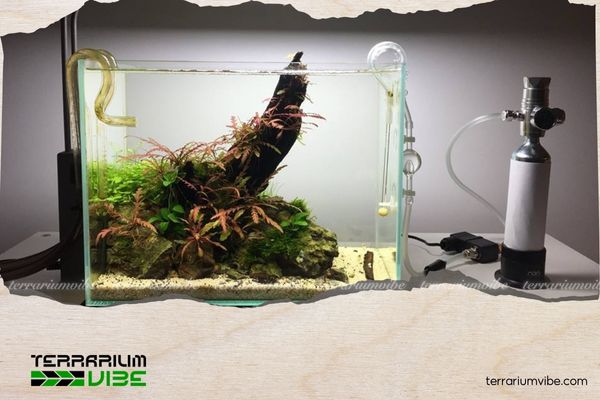
Essential CO2 Equipment
How to Use a CO2 Tank in a Planted Aquarium: Step-by-Step
Once you’ve gathered all the necessary equipment, you can start assembling your CO2 system. Here’s how to get it up and running:
- Step 1: Set Up the CO2 System
- Attach the pressure regulator securely to the CO2 tank.
- Connect the components in this order: CO2 tank → regulator → solenoid valve → bubble counter → check valve → diffuser inside the aquarium.
- Position the diffuser near the bottom of the tank in an area with good water flow. This helps CO2 spread evenly throughout the aquarium.
- Step 2: Start CO2 Injection and Adjust Flow
- Slowly open the regulator and begin injecting CO2 at a rate of 1 bubble per second for a 60L tank.
- Monitor the drop checker:
Green: Optimal CO2 (~30 ppm)
Blue: Too little CO2
Yellow: Excess CO2—reduce immediately
- Step 3: Automate the Schedule
- Use a timer to turn on the CO2 1 hour before lights come on and off when the lights go off.
- This timing ensures that CO2 is available during peak photosynthesis hours, maximizing plant growth while minimizing waste.
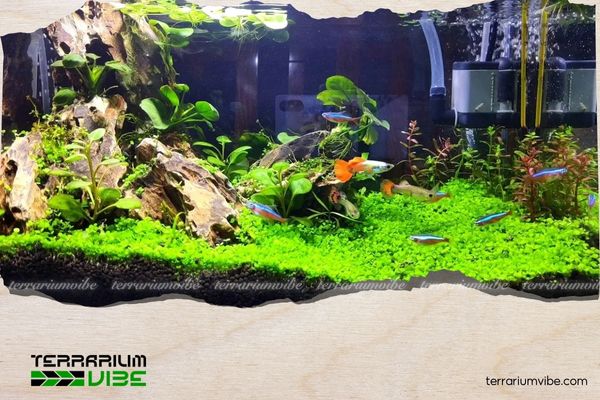
How to use a CO2 tank in a planted aquarium
Key Safety Tips for Using a CO2 Tank in a Planted Aquarium
While CO2 boosts plant health, improper use can harm fish, shrimp, and the aquarium ecosystem. Keep these critical tips in mind:
- Never inject CO2 at night. Without light, plants don’t photosynthesize and won’t absorb CO2, which can lower oxygen levels and harm livestock.
- Watch your fish and shrimp: If they’re gasping at the surface or moving sluggishly, you may be injecting too much CO2.
- Keep the CO2 tank in a cool, shaded area to avoid pressure buildup or potential leaks.
- Maintain your system regularly: Check for leaks, clean your diffuser, and refresh the drop checker solution every 2–3 weeks.
- If using DIY CO2, always keep a backup ready. DIY systems are unstable and may stop producing CO2 without warning.
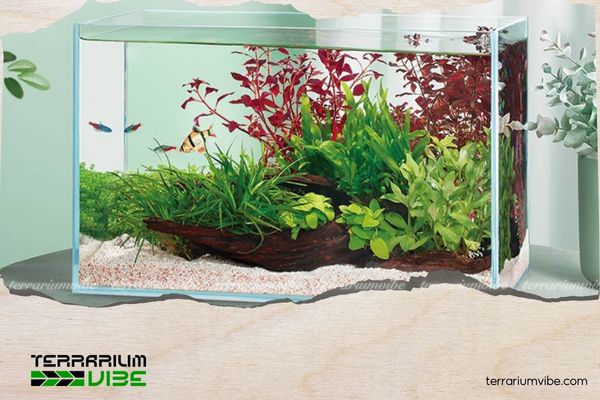
CO2 Usage Tips
With the right setup and careful management, even beginners can master how to use a CO2 tank in a planted aquarium. This guide from Terrarium gives you everything you need to get started, from choosing the right CO2 tank to setting up, adjusting, and maintaining the system safely.