



Temperature in a planted tank: A small number with a big impact

Temperature in a planted tank may seem like a minor detail, but it plays a crucial role in keeping plants, fish, and beneficial bacteria healthy. In this article, Terrarium Vibe will help you understand why managing temperature should never be overlooked when maintaining an aquascape.
Why is temperature in a planted tank so important?
Temperature directly affects the health and development of the entire ecosystem inside your aquarium. Every type of aquatic plant, fish, or microorganism has its own ideal temperature range.

Why is temperature in a planted tank so important?
If the tank gets too hot or too cold, plants may yellow or melt, fish may stop eating or even die, and beneficial bacteria may become less active. Temperature also influences waste breakdown and oxygen levels in the water. That’s why stable temperature control is essential for a balanced and thriving aquascape.
Ideal temperature ranges for different types of planted tanks
There’s no one-size-fits-all temperature. The optimal range depends on the type of setup you’re building:
- Plant-focused tanks: 22–26°C (71.6–78.8°F) encourages strong plant growth and reduces algae outbreaks.
- Tropical fish tanks (e.g., Neon Tetras, Guppies): 25–27°C (77–80.6°F) is ideal.
- Shrimp tanks (especially Crystal Red Shrimp): cooler conditions around 20–24°C (68–75.2°F) are preferred.
- Mixed aquascapes (plants and fish): aim for a stable range of 24–26°C (75.2–78.8°F) to keep everything thriving.
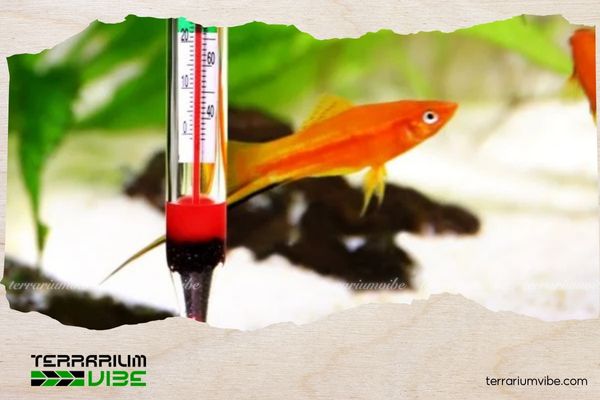
Ideal temperature ranges for different types of planted tanks
Factors that influence planted tank temperature
Tank temperature isn’t just affected by heaters or chillers—it also depends on surrounding environmental conditions. If left unchecked, even minor details can cause harmful fluctuations. Common influencing factors include:
- High-heat lighting systems running for long hours
- Filters that generate heat during extended use
- Sunlight streaming through nearby windows
- Aquarium placed near heat sources like stoves or computers
- Seasonal weather and room temperature changes
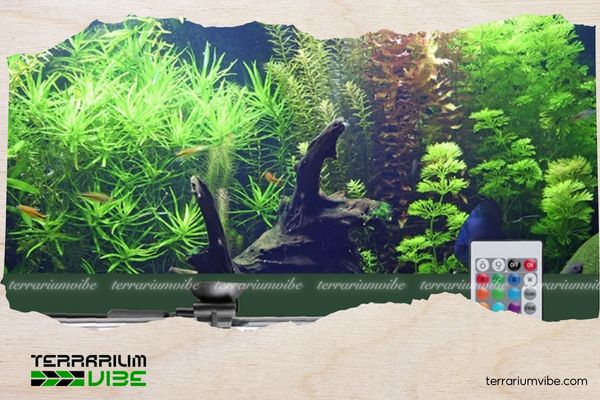
Seasonal weather and room temperature changes
How to control and maintain temperature in a planted tank
To maintain stable temperature, you’ll need a combination of tools and good practices suited to your space. First, always use a reliable thermometer to monitor temperature daily.
- In hot seasons, consider using cooling fans or a chiller.
- In colder climates (especially in northern regions), use a quality aquarium heater.
- Avoid placing tanks in direct sunlight.
- Limit excessive light exposure.
- Choose energy-efficient, low-heat filters.
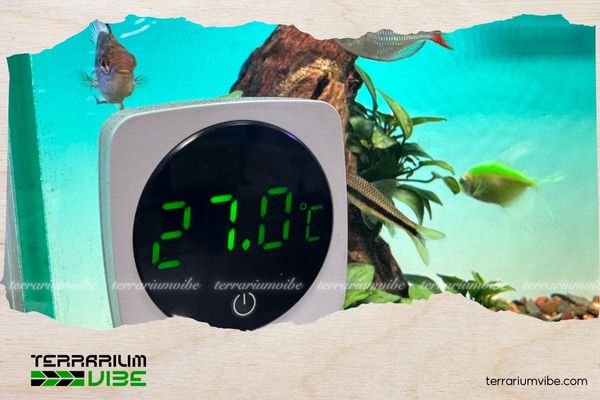
How to control and maintain temperature in a planted tank
These steps will help ensure your tank’s temperature remains within a safe and healthy range.
Common mistakes in managing planted tank temperature
Beginner aquascapers often make temperature-related mistakes that lead to sudden changes and ecosystem imbalances. Here are some frequent errors:
- Placing tanks in direct sunlight
- Leaving aquarium lights on for too long
- Using filters that produce too much heat
- Failing to monitor temperature regularly
- Positioning tanks near heat-emitting devices like stoves or computers
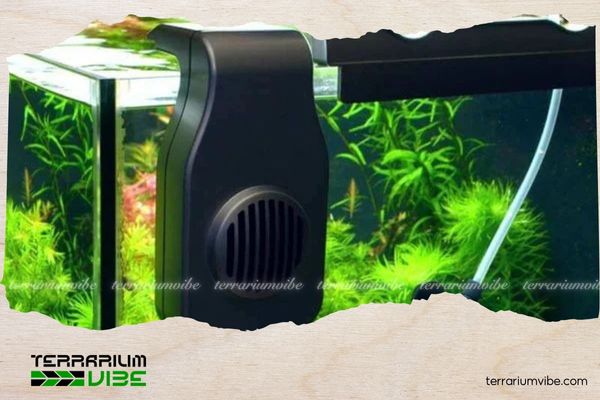
Positioning tanks near heat-emitting devices like stoves or computers
We hope this guide from Terrarium Vibe helps you better understand how to manage temperature in your planted tank. Paying close attention to temperature ensures your aquascape remains vibrant, balanced, and full of life.