


5 Effective Ways to Get Rid of Hair Algae in a Planted Aquarium

Hair algae is one of the most annoying and persistent problems in aquascaping. In this guide, Terrarium walks you through the most effective ways to get rid of hair algae in a planted aquarium. Let’s reclaim your aquascape together.
Why Hair Algae Appears in Your Planted Tank
Before we look at how to get rid of it, let’s understand why hair algae grows in a planted aquarium in the first place. Most outbreaks stem from environmental imbalances:
- Too much or prolonged lighting (over 8 hours/day)
- Fluctuating or insufficient CO2 levels
- Nutrient imbalance, especially excess iron or lack of NO3/PO4
- Dirty water, built-up waste, poor flow
- Newly cycled tanks, where the ecosystem hasn’t stabilized
Common Causes of Hair Algae
When one or more of these factors are present, hair algae seizes the opportunity to grow—often coating terrarium plant tips, driftwood, rocks, or even glass surfaces.
How to Identify Hair Algae Early
Spotting hair algae before it spreads makes treatment much easier. Here are signs to watch for:
- Thin, long, green or dark green strands that resemble hair
- Soft and slippery texture that tangles easily
- Tends to grow on plant tips, near lights, or low-flow zones
- If ignored, it forms unsightly mats that suffocate plants

How to Identify Hair Algae in Your Tank
How to Get Rid of Hair Algae in a Planted Aquarium
Here are five trusted methods aquascapers use to get rid of hair algae in a planted aquarium effectively and sustainably.
Manual Removal and Regular Tank Maintenance
Though it doesn’t solve the root issue, manually removing hair algae is an important first step. It gives your plants breathing room and reduces the algae load. Steps to follow:
- Use aquarium tweezers or a toothbrush to gently pull algae off leaves, rocks, and décor.
- Perform weekly 30–50% water changes to reduce waste and nutrient buildup.
- Gravel vacuum regularly to remove detritus and organic matter at the substrate level.

Manual Removal of Hair Algae
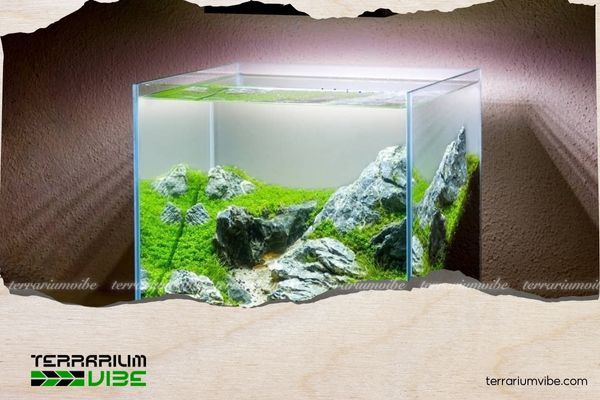
Adjust and Control Lighting Conditions
Excess light is a major trigger for algae growth, especially in tanks where plants can’t absorb all of it. Optimize your lighting setup:
- Limit lighting to 6–7 hours per day.
- Avoid intense lighting for slow-growing plant setups.
- Install a timer to automate consistent photoperiods.
Check Your Lighting Duration and Intensity
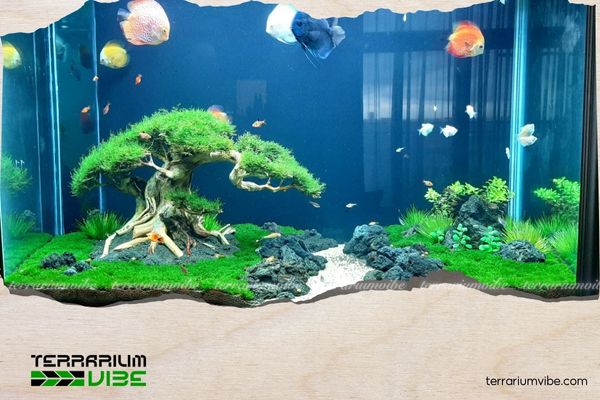
Balance Nutrients and Stabilize CO2
Nutrient imbalance—especially inconsistent CO2 or skewed NPK ratios—is a common cause of hair algae outbreaks. Here’s how to balance it out:
- Test your water regularly for NO3 and PO4 using aquarium test kits.
- Avoid overdosing iron or micros, especially in low-tech tanks.
- Keep CO2 stable with a drop checker showing green (~30 ppm).
- Dose liquid and root fertilizers according to plant demand—not blindly.
Review Nutrient Balance in the Tank
Introduce Algae-Eating Tank Mates
Adding algae-eating species is a natural way to manage hair algae—especially helpful in tanks with light infestations. Top algae eaters include:
- Siamese Algae Eaters (SAE) – aggressive on hair algae
- Amano Shrimp – efficient, safe for plants, and peaceful
- Otocinclus Catfish & Nerite Snails – great for cleaning glass and hardscape

Add Algae-Eating Livestock
Note: Always choose the right number and species based on your tank’s size and bioload.
Use Targeted Algae Treatments (As a Last Resort)
If the infestation is severe, algae treatment products can be used—but with care.
Popular treatments:
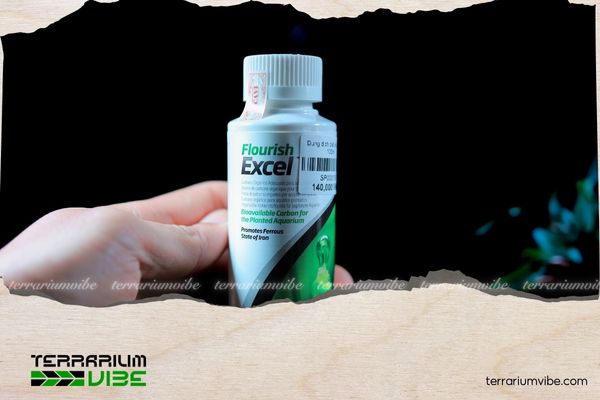
- Glutaraldehyde-based products like Seachem Excel or Easy Carbo: daily dosing or spot treatment.
- Commercial algae removers: Borneowild, AquaHeal, Neo Algae Stop, etc.
Use Targeted Algae Treatments
Usage precautions:
- Follow product instructions strictly—do not overdose.
- For spot treatments, turn off filters, wait 15–30 minutes, then resume circulation.
- Avoid frequent chemical use—it may harm shrimp and beneficial bacteria.
However, when you combine manual cleaning, lighting control, nutrient balancing, algae-eaters, and targeted treatment, you’ll gradually but surely get rid of hair algae in a planted aquarium. For more aquascaping tips and guides, don’t forget to follow Terrarium!