



5+ Essential Tips for Beginners Raising Shrimp in a Planted Aquarium

For beginners, raising shrimp in a planted aquarium can be quite challenging without the right preparation. Terrarium has compiled key tips every newcomer should keep in mind to ensure your tank stays clean, vibrant, and your shrimp thrive healthily.
The Growing Trend of Keeping Shrimp in Planted Aquariums
In recent years, raising shrimp in a planted aquarium has become increasingly popular, especially among aquarium enthusiasts in Vietnam. Tiny, colorful shrimp varieties like Red Cherry, Rili, and Crystal not only add stunning aesthetics but also help keep the tank clean by eating algae.

The rising popularity of raising shrimp in a planted aquarium
This hobby attracts not only seasoned hobbyists but also newcomers, thanks to the wide variety of shrimp species and their relatively easy care—provided you have the right knowledge from the start.
Tips Beginners Need to Know for Raising Shrimp in a Planted Aquarium
Raising shrimp in a planted aquarium isn’t overly complicated. However, to keep your shrimp colony healthy and maintain a balanced tank ecosystem, beginners need a solid foundation of knowledge and practical experience.
Choosing the Right Shrimp Species
For beginners, selecting the right type of shrimp is crucial. Red Cherry shrimp (RC) are often recommended because of their hardiness, resistance to disease, and adaptability to various water conditions. If you’re new to raising shrimp in a planted aquarium, avoid more delicate varieties like Taiwan Bee or Crystal Black shrimp until you gain more experience.
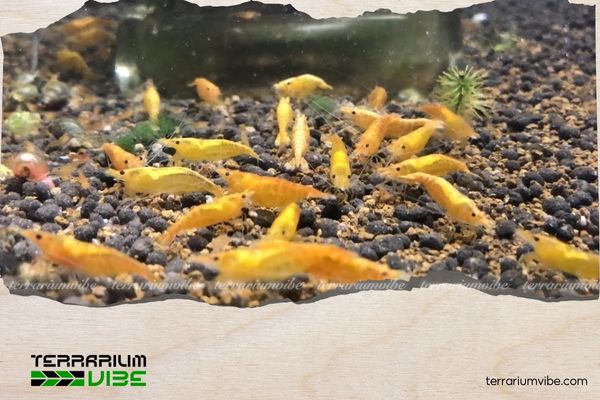
Selecting the best shrimp species for your planted aquarium
Feeding Habits and Diet
Shrimp don’t require a large amount of food but they do need the right kind. Opt for specialized shrimp food and supplement with boiled leafy greens like spinach or dried Indian almond leaves to aid digestion and enhance coloration. Feeding at consistent times and in proper amounts is a key tip when raising shrimp in a planted aquarium.
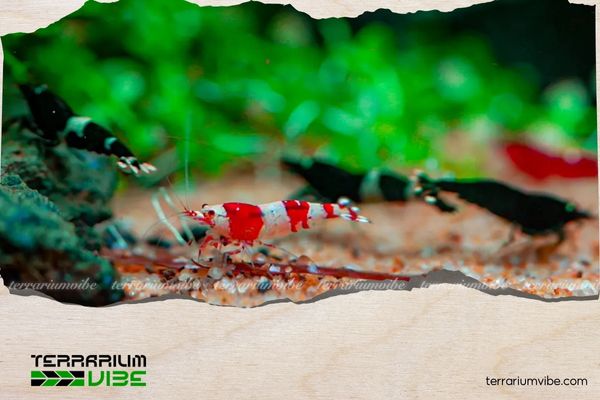
Proper feeding routines and diet for shrimp
Ecosystem Setup in the Aquarium
An ideal shrimp tank isn’t just about water and shrimp. The ecosystem should include live Terrarium plants, beneficial bacterial substrates, and a reliable filtration system to create a natural habitat. Plants such as Java moss, Bucephalandra, or ferns provide hiding spots and promote shrimp breeding.

Creating a balanced ecosystem for shrimp tanks
Aquarium Size for Shrimp Keeping
You don’t need an overly large tank, but it should be at least 20 liters to stabilize temperature and water parameters. Smaller tanks are prone to sudden temperature changes and pH fluctuations, which can cause mass shrimp deaths. For beginners, a 30–40 liter tank is ideal and easier to manage when raising shrimp in a planted aquarium.
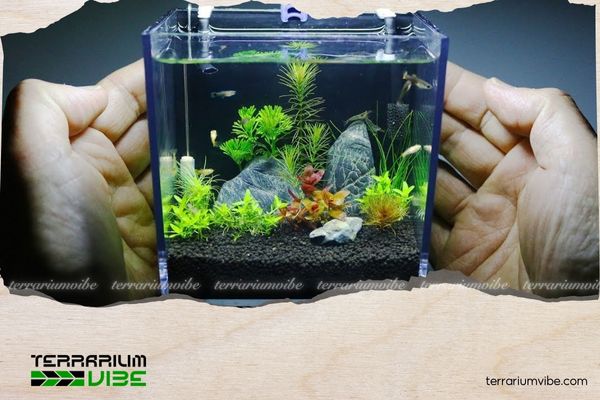
Ideal aquarium sizes for shrimp keeping
Water Quality Management
This is the most critical factor. Shrimp are highly sensitive to toxins like ammonia (NH3) and nitrite (NO2). It’s important to cycle your tank’s biological filter for at least two weeks before introducing shrimp. Maintain stable pH between 6.5 and 7.2 and temperature around 24–26°C. Perform regular weekly water changes of 20–30%, but avoid changing too much at once to prevent shock.

Maintaining water quality for healthy shrimp
Common Issues and How to Solve Them
New shrimp keepers often face problems such as sudden shrimp deaths, a lack of breeding, or fungal infections. These issues usually stem from poor water quality, unstable substrate, or stress from abrupt changes. Here are some solutions:
- Regularly test water parameters with a test kit
- Acclimate shrimp slowly before adding them to the tank
- Use dried Indian almond leaves for natural antibacterial effects
- Avoid housing shrimp with fish species that prey on them
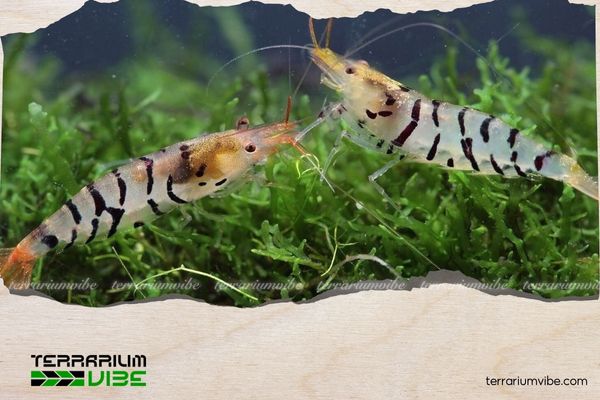
Common Issues When Raising Shrimp in a Planted Aquarium
We hope Terrarium’s insights help beginners avoid common pitfalls and quickly succeed at raising shrimp in a planted aquarium. Remember, patience and proper care are the keys to keeping your shrimp tank lively and sustainable.