



Complete guide on how to adjust pH in a planted aquarium and protect your tank’s ecosystem

In a planted aquarium, pH plays a crucial role in maintaining the health of both fish and aquatic plants. Keeping pH levels stable is essential to help your tank’s ecosystem thrive in a balanced and sustainable way. In this article, Terrarium Vibe walks you through how to adjust pH in a planted aquarium safely and effectively.
Why adjusting pH in a planted aquarium matters for fish and plant health
Knowing how to adjust pH in a planted aquarium correctly doesn’t just help with water quality—it directly impacts the well-being of your fish and plants. When pH levels are stable and within the ideal range, fish are more active, eat better, and are less prone to disease. Meanwhile, aquatic plants absorb nutrients more efficiently, grow lush and vibrant, and are less likely to suffer from leaf melt.
On the other hand, if the pH fluctuates constantly or strays too far from optimal levels, it can shock your fish and disrupt photosynthesis in plants—leading to a weakened ecosystem overall.

Why adjusting pH in a planted aquarium matters
Step-by-step guide on how to adjust pH in a planted aquarium effectively
To maintain a stable environment for life in your tank, it’s important to understand how to adjust pH in a planted aquarium accurately and with care.
How to adjust pH in a planted aquarium when pH is too high
If your aquarium’s pH is too high, you can gently lower it by adding dried Indian almond leaves, peat moss, or introducing CO₂ to naturally acidify the water. Another effective method is to perform regular water changes using water with a lower pH. Avoid harsh chemical treatments, as they can stress both fish and plants.

How to adjust pH in a planted aquarium when pH is too high
How to adjust pH in a planted aquarium when pH is too low
When pH drops below the ideal range, consider adding materials like crushed coral, limestone, or seashells. Baking soda (sodium bicarbonate) can also raise pH when used in controlled amounts. It’s important to monitor water hardness (KH) since it affects your tank’s ability to maintain stable pH. Make adjustments gradually to avoid shocking your tank’s inhabitants.
Natural ways to adjust pH in a planted aquarium
Natural methods—such as using botanicals like dried leaves, driftwood roots, activated carbon, or peat—help adjust pH gently while creating a more nature-inspired environment for your tank. Although these methods work more slowly than chemicals, they’re safer, more sustainable, and provide long-lasting pH stability when properly managed.
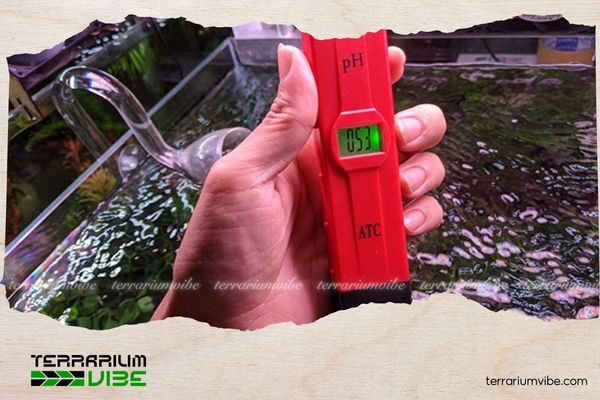
Natural ways to adjust pH in a planted aquarium
Tips and best practices for maintaining pH in a planted aquarium
To successfully manage how to adjust pH in a planted aquarium over time, it helps to learn from experience and avoid common pitfalls. Below are key takeaways to keep your aquatic ecosystem healthy and in balance.
Common mistakes to avoid when adjusting pH
Beginners often make mistakes like changing pH too quickly, using unknown chemical products, or overlooking other critical parameters like water hardness (KH). These missteps can lead to environmental stress and put your tank’s health at risk. Always make changes gradually, monitor conditions closely, and prioritize safe, proven methods.
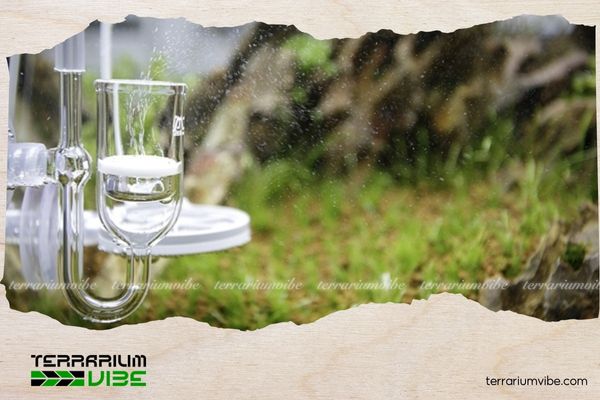
Common mistakes to avoid when adjusting pH
How to maintain stable pH after adjustments
After successfully adjusting pH, your next goal is to keep it steady. Regular water testing, consistent water changes, and maintaining good filtration go a long way. Using natural buffers like driftwood or crushed coral can also help prevent sudden swings. The more consistent your environment, the healthier your fish and aquatic plants will be.
By now, you’ve got a complete understanding of how to adjust pH in a planted aquarium—from theory to practice, from mistakes to avoid to long-term maintenance tips. Stay patient, observe carefully, and make adjustments the right way to ensure your tank stays beautifully balanced.