



Aquatic plants that need co2 and how to effectively add co2 to your planted tank

Aquascaping isn’t just a hobby—it’s an art form that elevates the atmosphere of any living space. But if you’re growing certain aquatic plants, supplementing CO2 is absolutely essential for healthy growth and vibrant coloration. In this guide, we’ll explore popular aquatic plants that need CO2 and the best ways to deliver it for optimal results.
Why is CO2 important for aquatic plants?
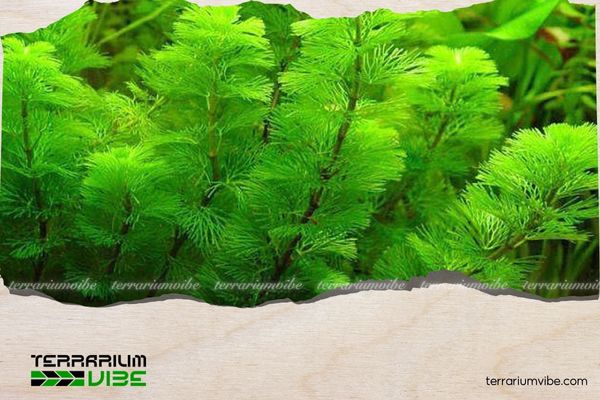
Why is CO2 important for aquatic plants?
CO2 plays a critical role in photosynthesis, allowing aquatic plants to convert light and water into oxygen and glucose—fueling their growth and vitality. When CO2 levels are adequate, plants thrive: leaves grow lush and dense, colors become more vivid, and overall resilience improves.
In addition to promoting healthy growth, CO2 enhances nutrient absorption, boosts metabolic activity, and helps plants outcompete algae by creating a stable, well-balanced ecosystem. A healthy aquatic plant system contributes oxygen to fish and other tank inhabitants, making CO2 supplementation a cornerstone of sustainable aquascaping.
Popular aquatic plants that need CO2
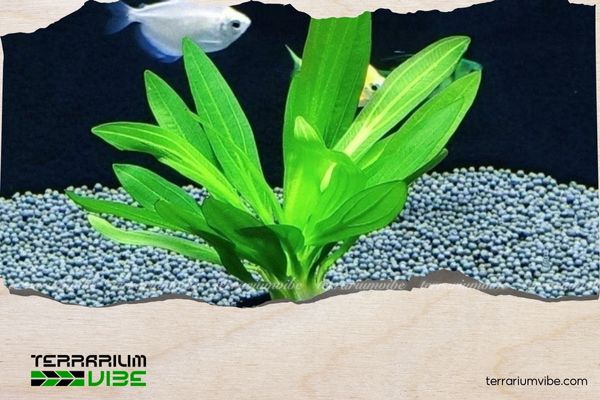
Popular aquatic plants that need CO2
If you’re growing any of the following species, don’t overlook the importance of CO2 supplementation—they won’t thrive without it.
Hemianthus callitrichoides (Cuba dwarf baby tears)
Commonly known as Trân châu Cuba, this carpet-forming plant is a favorite among aquascapers for its ability to create a lush, green foreground. Tiny, creeping stems spread horizontally across the substrate, forming a dense mat that brings a natural, vibrant feel to the tank.
However, Hemianthus callitrichoides is a demanding plant. Without proper CO2 injection, it struggles to spread and maintain its compact form. Consistent CO2, along with strong lighting, is key to achieving that iconic underwater lawn.
Eleocharis parvula (Dwarf hairgrass)
Ngưu mao chiên, or Dwarf Hairgrass, is prized for its soft, grass-like appearance and ability to form a natural-looking underwater meadow. With the right care, it spreads quickly, covering the tank floor in a beautiful green carpet.
CO2 is crucial to support its fast growth and prevent stunted or yellowing leaves. In low-CO2 environments, Eleocharis parvula tends to grow slowly and becomes vulnerable to algae overgrowth.
Alternanthera reineckii (Scarlet temple plant)
Known as Hồng hồ điệp in Vietnamese, this striking red plant is a go-to choice for creating focal points in aquascapes. Its bold purple-red foliage offers stunning contrast against green background plants, bringing depth and energy to your layout.
Alternanthera reineckii thrives in high-tech tanks with ample CO2 and strong lighting. Under these conditions, it grows rapidly and produces rich, vibrant colors. Without CO2, however, growth slows, leaves become pale, and the plant quickly loses its dramatic appeal.
How to add CO2 to a planted aquarium
Providing CO2 for aquatic plants isn’t optional for many species—it’s a vital part of tank maintenance. Here are the most common and effective methods for CO2 supplementation:
Pressurized CO2 system with regulator
This is the gold standard for serious aquascapers. A complete CO2 system includes a pressurized CO2 cylinder, regulator, solenoid valve (for syncing with your light schedule), bubble counter, and a quality diffuser.
This setup allows precise control over CO2 levels, ensuring consistent distribution and maximizing plant photosynthesis. It’s ideal for medium to large tanks with high CO2 demands.
Liquid CO2 supplement (e.g., Seachem Flourish Excel)
For low-tech or nano tanks, liquid carbon is a convenient alternative. While not a direct replacement for gaseous CO2, it can still benefit slow-growing or less demanding plants. Just be mindful that it won’t support high-demand species like Hemianthus callitrichoides or Alternanthera reineckii in the long run.
Efficient CO2 diffusers
No matter which CO2 source you use, a high-quality diffuser is essential for optimal gas absorption. Efficient diffusion helps ensure your plants can fully utilize the CO2 being added, leading to healthier growth and clearer water.
Understanding which aquatic plants need CO2—and how to provide it effectively—can make all the difference in your aquascaping success. With the right CO2 strategy, your plants will thrive, algae will stay in check, and your aquarium will become a vibrant underwater ecosystem.