

How to use 502 to secure aquarium plants for a healthy and beautiful aquascape

Using 502 super glue is a popular and effective way to attach aquatic plants to driftwood or rocks without interfering with their growth. In this guide, we’ll walk you through how to use super glue for aquarium plants safely and effectively, ensuring both aesthetic appeal and long-term plant health.
Should you use super glue for aquarium plants?
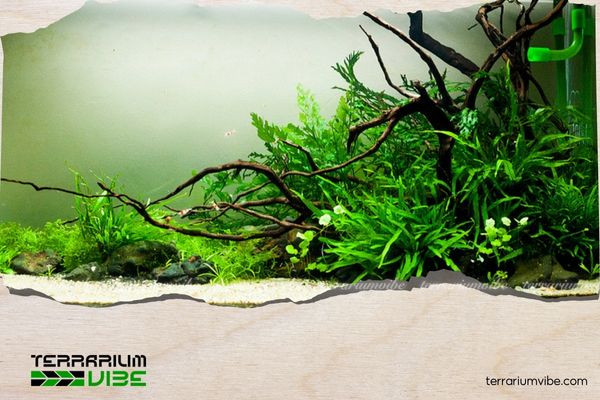
Should you use super glue for aquarium plants?
Yes—when used properly, 502 super glue is an excellent method to anchor aquatic plants onto hardscape elements like wood or stone. Its strong bonding capability allows you to secure plants instantly, without the need for tying or waiting for roots to attach naturally.
However, not all aquatic plants respond well to this method. Incorrect usage may damage plants or disrupt your tank’s water chemistry. That’s why understanding both the pros and cons of using super glue in aquascaping is crucial for maintaining a healthy, thriving aquascape.
Benefits of using 502 super glue in aquascaping
One of the biggest advantages of 502 glue is instant adhesion. Once applied, the glue dries within seconds, helping plants firmly grip onto the hardscape without the need for waiting or complicated setups. It’s a time-saving solution for aquascapers looking to arrange layouts quickly while keeping everything neat and natural.
When you choose a safe variant—one free from industrial additives or toxic solvents—502 glue poses no harm to your tank’s ecosystem. It won’t affect fish, shrimp, or beneficial bacteria when used correctly.
Aesthetically, the glue dries clear, so it won’t ruin the natural look of your design. If applied with care, the bond becomes virtually invisible, making your aquascape look seamless and organic.
Drawbacks of using 502 super glue in aquariums
Despite its many benefits, overusing 502 glue can backfire. The glue generates heat as it cures, which can burn roots or damage delicate plant tissues if applied excessively. Always use a minimal amount—just enough to secure the plant without affecting its health.
Step-by-step: how to use super glue for aquarium plants
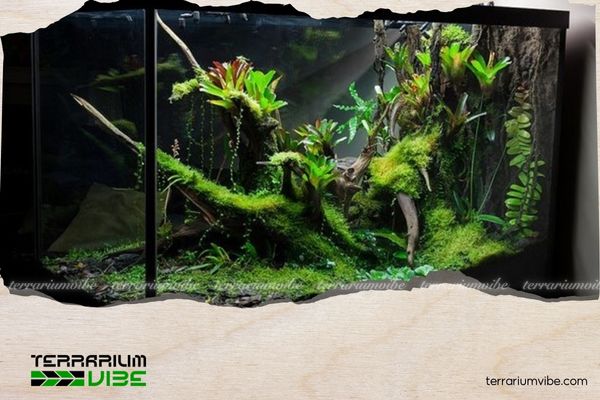
How to use super glue 502 for aquarium plants
To get the best results while protecting your plants, follow these simple steps:
Step 1: Prepare the materials and plants
Clean and dry your hardscape (rock or driftwood) to remove dust and improve adhesion. Choose suitable plants such as Java Fern, Anubias, Bucephalandra, or mosses, and trim any excess roots if needed.
Step 2: Apply a small dot of glue
Use a tiny amount of 502 glue—preferably one that’s aquarium-safe and free of harsh additives. Avoid applying too much, as it may burn the roots or leave visible glue marks.
Step 3: Attach the plant to the desired spot
Quickly press the roots or stem onto the glued surface. Hold firmly for about 10–15 seconds until the glue sets. Make sure the glue doesn’t touch the leaves directly.
Step 4: Submerge immediately after attachment
Once attached, immerse the glued section in water right away. This helps speed up curing and minimizes the risk of plant damage.
Step 5: Place in a low-flow area
Position the plant in a gentle water flow zone to help roots develop and anchor themselves naturally. Adjust lighting and CO₂ levels to support healthy growth.
Important tips for gluing aquarium plants
- Avoid gluing the main root system: Sensitive plants like Anubias, Java Fern, and Bucephalandra have delicate roots. Instead of applying glue directly to primary roots, use the stem or secondary roots to reduce the risk of damage.
- Keep glue away from livestock: Freshly applied glue may release irritants or stick to the fins or legs of fish and shrimp. If glue falls into the tank before drying, remove it immediately to avoid harming your aquatic animals.
- Never apply glue underwater: When applied directly in water, 502 glue can form unsightly white residue and lose its sticking power. Always glue on dry surfaces and let it set for at least 10–20 seconds before reintroducing to water.
Now you know exactly how to use super glue for aquarium plants to create a visually stunning and healthy aquascape. With the right technique and proper care, you can make your planted tank look natural, clean, and professional—with plants that thrive for the long term.