


Simple and Effective Blue-Green Algae Removal for Your Aquascape

Blue-Green Algae removal is a common challenge for aquascapers, especially those new to the hobby. If not addressed quickly, this slimy invader can overwhelm your tank, harm your plants, and disrupt the entire ecosystem. In this guide, Terrarium walks you through how to identify, treat, and prevent Blue-Green Algae in a way that’s both effective and easy to manage.
What Causes Blue-Green Algae and Why You Should Remove It
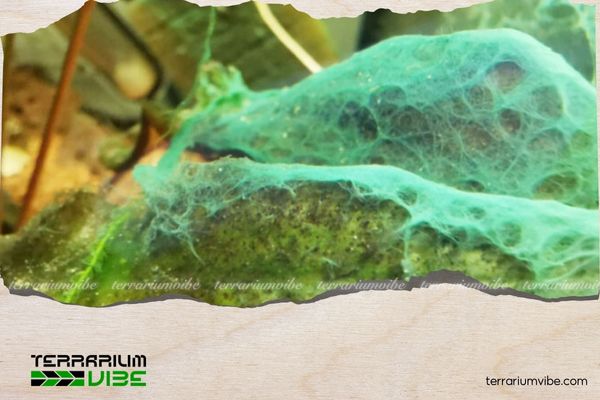
Blue-Green Algae (BGA), or cyanobacteria, are photosynthetic bacteria that often appear in aquariums exposed to excessive light, excess nutrients, and poor water flow. These organisms grow fast, forming thick, green slime on substrates, plants, rocks, and driftwood.
Why Blue-Green Algae removal is important:
- Blocks light: BGA blankets your plants, stopping them from photosynthesizing properly.
- Kills plants: Without light and space, plants weaken and die, ruining your aquascape layout.
- Smells bad: Dying BGA produces a distinct, unpleasant odor.
- Disrupts balance: It unbalances the bio-system, harming fish, shrimp, and beneficial bacteria.

Reasons why Blue-Green Algae removal is important
If Blue-Green Algae removal isn’t done promptly, your tank’s health and aesthetics will deteriorate rapidly.
How to Remove Blue-Green Algae Based on Severity
The method of Blue-Green Algae removal depends on how far it has spread in your tank. Here’s how to approach each stage:
When Blue-Green Algae First Appears
Early Blue-Green Algae removal is straightforward if caught in time. These simple actions can stop algae before it takes over:
- Limit lighting to 5–6 hours per day.
- Perform 30–40% weekly water changes to reduce nutrient buildup.
- Improve circulation to prevent dead zones where algae thrive.
- Add fast-growing plants to outcompete algae for nutrients.

When Blue-Green Algae First Appears
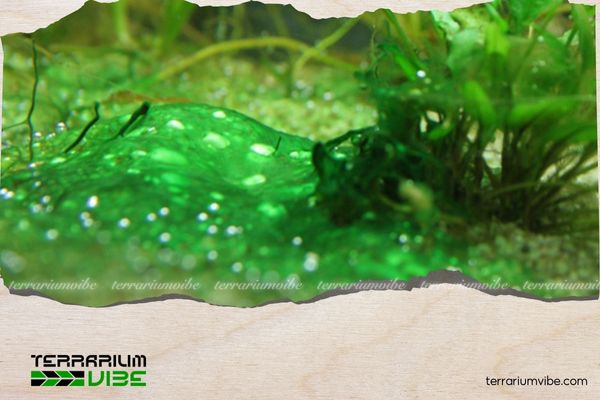
When Algae Begins Spreading
If BGA forms visible patches, it’s time for a more strategic Blue-Green Algae removal process:
- Reduce lighting intensity or do a 2–3 day blackout.
- Spot-treat with hydrogen peroxide (H₂O₂), 1–2 ml per 10 liters of water.
- Increase CO₂ if using pressurized systems—BGA struggles in high CO₂.
- Remove dead algae to prevent it from rotting and fouling the water.
When Algae Begins Spreading
This balanced approach can significantly weaken algae and restore stability.
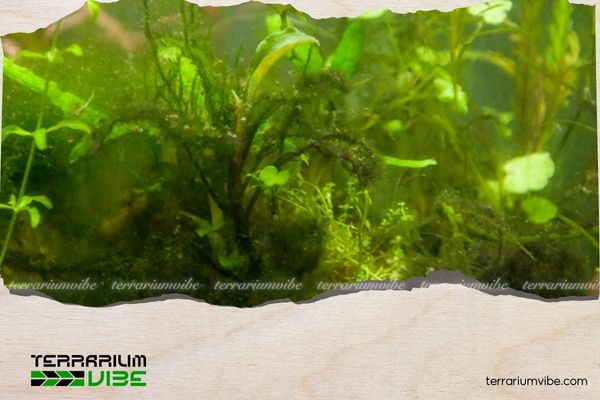
When the Tank is Severely Infested
For serious infestations, stronger Blue-Green Algae treatments are necessary. This includes using products specifically designed for BGA control.
- Erythromycin: A widely used antibiotic for Blue-Green Algae removal. Use precise dosing to protect beneficial bacteria.
- Blue Exit (Easy Life): Safe for fish and shrimp, designed specifically to target cyanobacteria.
When the Tank is Severely Infested
Steps to ensure success:
- Follow label instructions, including light/filtration adjustments.
- Vacuum dead algae and perform a 50–70% water change afterward.
- Monitor livestock carefully and act immediately if any show distress.
How to Keep Blue-Green Algae from Returning
Successfully removing Blue-Green Algae is only half the battle—keeping it from coming back is where true aquarium mastery lies. With the right habits and routine care, you can enjoy a thriving, algae-free aquascape for the long haul. Here’s how:
- Lighting control: Limit to 6–8 hours/day with quality aquarium lighting.
- Nutrient management: Avoid overfeeding and over-fertilizing.
- Routine cleaning: Weekly water changes and substrate vacuuming.
- Strong biofiltration: Use bacterial supplements or nutrient-rich substrates.
- Regular observation: Catch issues early to simplify Blue-Green Algae removal next time.
How to Keep Blue-Green Algae from Returning
In conclusion, successful Blue-Green Algae removal depends on understanding its causes and applying the right solution based on the severity. By taking consistent care and making smart adjustments, you can enjoy a healthy, vibrant, algae-free aquascape. At Terrarium, we’re here to support your journey every step of the way.