




In modern aquarium setups, lighting plays a crucial role. One popular device that many enthusiasts are talking about today is the RGB LED aquarium light. So, what is an RGB LED aquarium light, and why has it become so favored? Let’s dive into the details with Terrarium Vibe in this article.
The structure and how an RGB LED aquarium light works
To truly appreciate the benefits of an RGB LED aquarium light, it’s important to understand its structure and operating principles. Knowing these basics will help you choose and use the right light effectively, maximizing the health and beauty of your aquarium.
What are the main components of an RGB LED aquarium light?
Typically, an RGB LED aquarium light consists of key parts such as RGB LED chips, a light controller, a heat-dissipating housing, and a power supply. The LED chips emit light in three primary colors: red, green, and blue. The heat-dissipating casing keeps the light cool, ensuring longer lifespan, while the power source delivers stable energy.
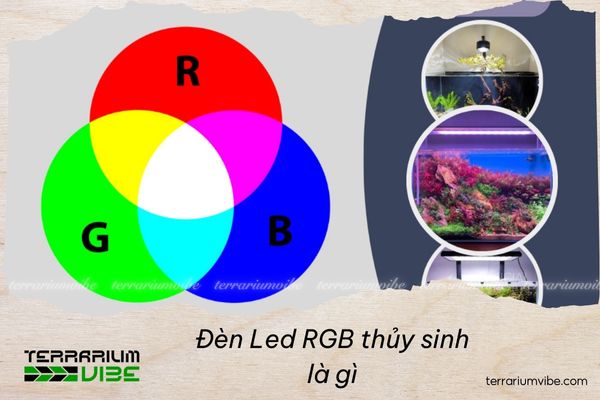
What are the main components of an RGB LED aquarium light
How does an RGB LED aquarium light work?
An RGB LED aquarium light functions by blending the three primary colors of light to create a wide spectrum of colors. When emitted at the right intensity and wavelength, this light supports photosynthesis in aquatic plants. Additionally, the light’s settings can be adjusted to suit different growth stages of the plants.
The benefits of using an RGB LED aquarium light
Using an RGB LED aquarium light offers more than just illumination—it brings significant biological and aesthetic advantages. Here are two standout benefits that highlight the value of this lighting solution in aquarium design and care.
Impact on aquatic plant growth
The wavelengths produced by an RGB LED light are ideal for photosynthesis, helping aquatic plants grow healthier and more robust. Red light encourages leaf and root development, while blue light supports stem growth. This balanced lighting keeps plants vibrant, well-proportioned, and less prone to harmful algae invasions.
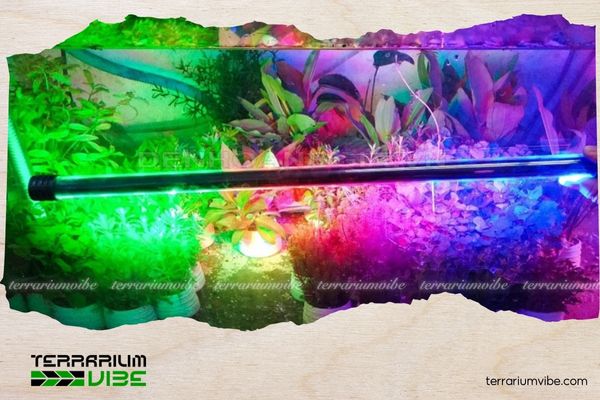
Impact on aquatic plant growth
Enhancing aquarium aesthetics
RGB LED lights enhance the natural colors of fish, plants, and hardscape elements in your aquarium. The harmonized light produces a sparkling effect that adds depth and vibrancy to the entire aquatic environment. This visual appeal is a key factor in boosting the aesthetic value and the overall viewing experience for hobbyists.
Criteria for choosing the right RGB LED aquarium light
Picking the right RGB LED aquarium light is essential for effective lighting and promoting healthy plant growth. Once you understand what an RGB LED aquarium light is, consider these basic criteria when making your choice:
- The light’s power should match the size of your aquarium
- A high CRI (Color Rendering Index) ensures accurate and vivid colors
- Adjustable light intensity and color spectrum for flexibility
- Durable and stable LED chips for long lifespan
- Trusted brand with clear warranty policies
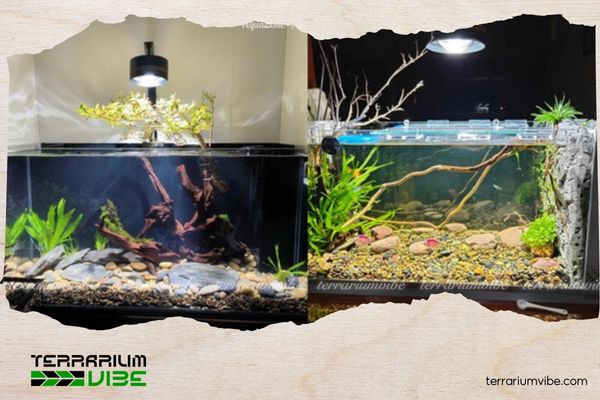
Criteria for choosing the right RGB LED aquarium light
Popular RGB LED aquarium light models on the market
Currently, there are many high-quality RGB LED aquarium lights from brands like Chihiros, Twinstar, Sunsun, and Odyssea. Each offers different designs, price points, and lighting adjustment features to meet the diverse needs of aquarium enthusiasts. It’s best to choose a product with strong reviews, excellent durability, and a good fit for your tank layout to achieve optimal biological and aesthetic results.
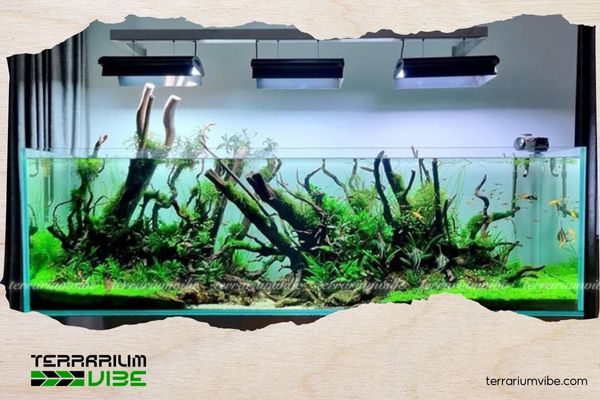
Popular RGB LED aquarium light models on the market
We hope this article has helped clarify what an RGB LED aquarium light is and the important role it plays in your aquarium. Choosing the right light not only supports healthy plant growth but also creates a lively, harmonious, and professional aquatic environment for your entire ecosystem.