



Comprehensive and effective guide to aquarium light maintenance with just 3 simple steps

Aquarium lighting plays a crucial role in promoting healthy plant growth within your tank. However, without proper care, lighting performance can significantly decline. In this article, Terrarium Vibe offers you a comprehensive and effective guide to aquarium light maintenance in just three simple steps. This will help you maintain high-quality lighting and easily extend your equipment’s lifespan.
Signs your aquarium light needs maintenance
Recognizing early signs that your aquarium light needs maintenance allows you to address issues promptly and keep a stable environment for your aquatic life. Here are common indicators it’s time to inspect and service your lighting:
- Dimming light or unusual color shifts
- Slow plant growth despite sufficient nutrients and CO₂
- Excessive algae growth in the tank
- Noise or slight vibration during operation
- Overheating even after short usage
- Flickering or intermittent bulb performance

Signs your aquarium light needs maintenance
Proper procedure for aquarium light maintenance
Lighting is essential for a thriving aquatic environment, so following the correct procedure is a must in any reliable guide to aquarium light maintenance. Below are specific steps to help you maintain your light safely and efficiently while maximizing its lifespan.
Cleaning the surface and light components
This is the first and indispensable step in aquarium light maintenance. Dust, moisture, or residue buildup on the light surface can greatly reduce illumination quality. Use a soft dry cloth or lightly dampened cloth to gently clean the light cover and light-emitting parts. Avoid harsh chemicals that may damage protective coatings. Clean every 2 to 4 weeks to keep your light in optimal condition.
Inspecting and replacing the bulb
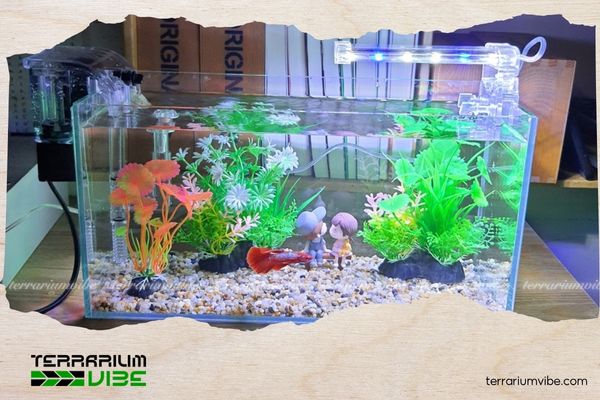
After extended use, bulbs may weaken, change color, or flicker. When performance noticeably drops, inspect and consider replacing the bulb with one suited to your plant species and tank size. Avoid regular household bulbs as they lack the proper spectrum needed for aquatic plants. When replacing bulbs, also check sockets, connectors, and electrical safety before reassembly.
Inspecting and replacing the bulb
Checking the power supply and wiring
The power supply and wiring are critical to stable light operation. Inspect cables for breaks, cracks, or heat damage. If the power supply emits strange noises, overheats, or cuts out suddenly, it may be deteriorating. Replace with genuine parts and heat-resistant wiring to ensure safety in your humid aquatic environment.
Common mistakes in aquarium light maintenance
Even with many guides available, hobbyists often make basic errors that reduce lighting performance or damage equipment if uncorrected. Watch out for these common mistakes:
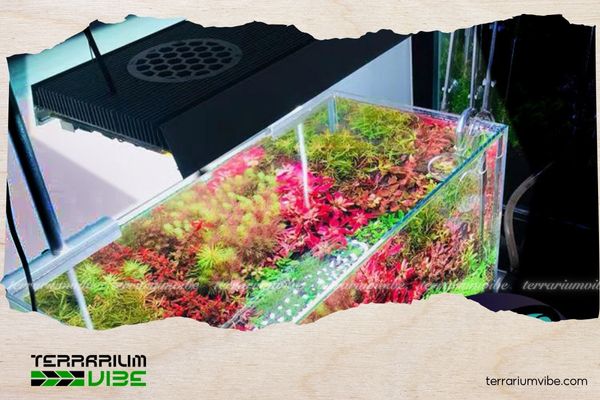
- Cleaning lights with strong detergents that corrode parts
- Not disconnecting power before maintenance
- Using incompatible or incorrect bulbs
- Installing lights too close to the water surface, causing moisture damage
- Neglecting regular power supply and wiring checks
- Skipping scheduled cleanings, leading to dust and residue buildup
Cleaning lights with strong detergents that corrode parts
How to maximize aquarium light lifespan after maintenance
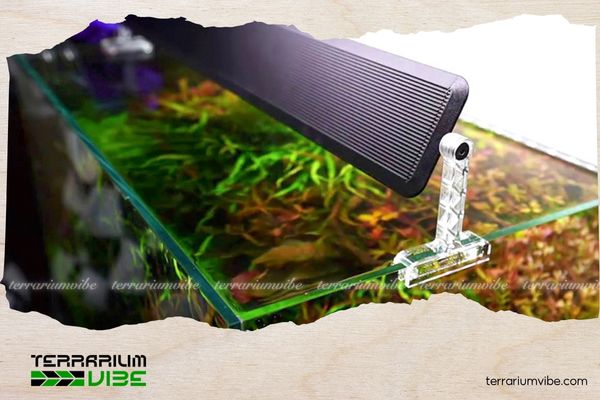
Following the guide to aquarium light maintenance is just the beginning when it comes to extending the lifespan of your lighting system. Once maintenance is done, it’s important to establish a consistent and appropriate lighting schedule to avoid overheating caused by prolonged use.
How to maximize aquarium light lifespan after maintenance
Ensure the light fixture is positioned in a well-ventilated area, allowing heat to dissipate effectively and minimizing the risk of moisture buildup that can damage internal components. Additionally, regular inspections for dust, algae, or corrosion paired with gentle cleaning will help maintain optimal performance and ensure your aquarium lighting remains both reliable and energy-efficient over time.
Proper maintenance not only preserves lighting quality but also extends equipment life, saving you replacement costs. With Terrarium Vibe’s straightforward three-step comprehensive guide to aquarium light maintenance, you can confidently care for your aquatic setup professionally and sustainably.