

How to control algae in a planted aquarium effectively and sustainably

Algae is one of the biggest challenges for aquascaping enthusiasts—especially when it spreads out of control and disrupts the tank’s ecological balance. Understanding the root causes and applying the right methods of how to control algae in a planted aquarium will help you maintain a stable, healthy, and long-lasting aquatic environment. Let Terrarium Vibe walk you through it in the guide below.
What is algae and why should you control it in planted tanks?
Algae are self-sustaining organisms that thrive in water with excess light and nutrients. In aquascaping, dense algae growth can ruin the aesthetics, block light from reaching plants, and negatively impact aquatic life. That’s why controlling algae isn’t just about keeping your tank clean—it’s about preserving ecological balance. Applying the right methods to control algae in a planted aquarium is key to maintaining a healthy system over the long term.

Algae are self-sustaining organisms
Common causes of algae outbreaks in planted tanks
Algae often thrive when the tank environment becomes unbalanced. Here are some common contributing factors:
- Light that’s too strong or left on for too long
- Excess nutrients like nitrate (NO3) and phosphate (PO4)
- Unstable CO2 levels
- Weak or underdeveloped beneficial bacteria
- Irregular water changes and poor maintenance
- Overfeeding fish, leading to leftover food and organic waste
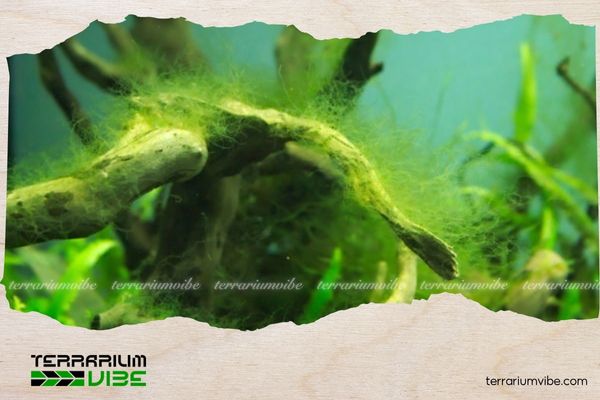
Common causes of algae outbreaks in planted tanks
How to control algae in a planted aquarium from the roots up
To control algae in a planted aquarium effectively and long-term, you need to address both the root causes and the visible symptoms with a well-rounded strategy.
Adjust lighting to the right intensity and duration
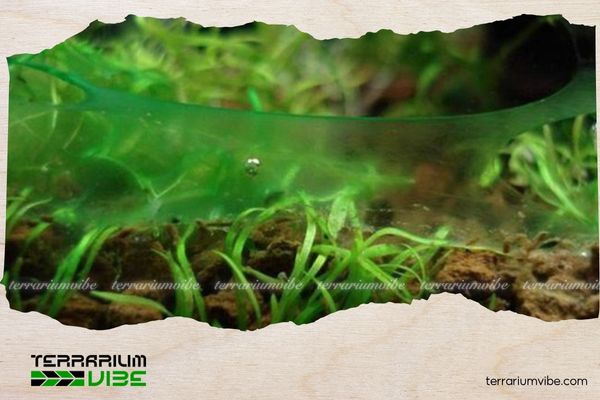
Lighting is essential for plant growth—but too much of it fuels algae. Keep lighting within 6–8 hours per day, using fixtures appropriate for your tank size. Avoid direct sunlight and consider adding floating plants to help diffuse excess light.
How to control algae in a planted aquarium from the roots up
Manage nutrients smartly
Excess NO3 and PO4 provide the perfect breeding ground for algae. Use liquid and substrate fertilizers in proper doses and avoid overfeeding. Test water parameters regularly to catch imbalances before algae take over.
Stabilize CO2 and support beneficial bacteria
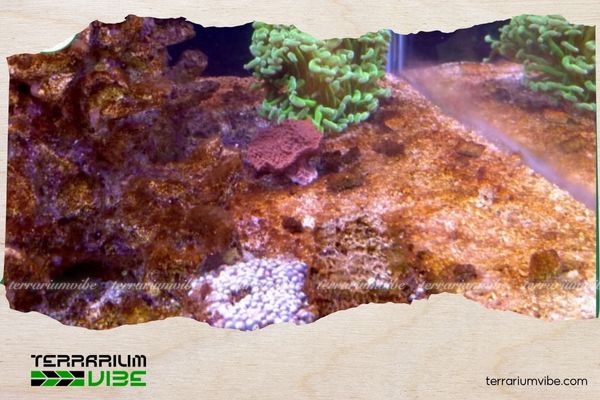
CO2 helps aquatic plants photosynthesize, outcompeting algae for nutrients. Ensure consistent CO2 levels during the lighting cycle. Boost your microbial ecosystem with biological additives to break down waste and reduce nutrient buildup naturally.
Stabilize CO2 and support beneficial bacteria
Perform regular maintenance and water changes
Routine cleaning and water changes are simple but powerful tools to combat algae. Wipe tank glass, vacuum debris, and change 20–30% of the water weekly. This keeps nutrient levels in check and improves water quality for your plants and fish.
Common questions about how to control algae in a planted aquarium
As you care for your planted tank, you’ll likely run into common questions about controlling algae effectively without harming the ecosystem.
Should you use algae-killing chemicals in planted tanks?
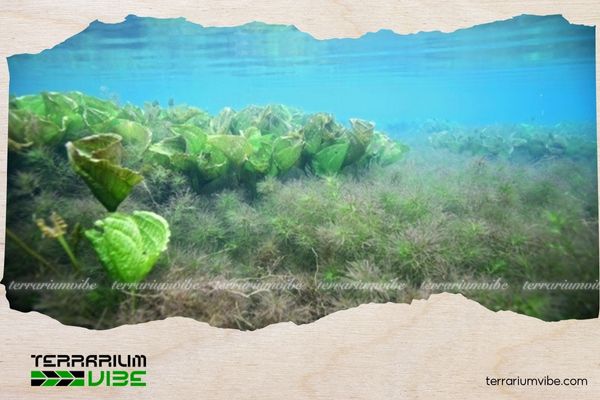
Algae-removing solutions can be effective for severe infestations. However, overuse may harm plants, fish, or beneficial microbes. Use them sparingly and in combination with sustainable methods to prevent regrowth.
Should you use algae-killing chemicals in planted tanks?
How often should you change the water to prevent algae?
Routine water changes are one of the simplest and most effective ways to control algae in a planted aquarium. Replace 20–30% of the tank water weekly to remove excess nutrients and organic buildup that fuel algae growth.
Are algae-eating species actually helpful?
Yes—Amano shrimp, Otocinclus catfish, and Nerite snails are great helpers in controlling visible algae. Still, they can’t address root causes. Think of them as part of a broader strategy, not a standalone solution.

Are algae-eating species actually helpful
Controlling algae isn’t something you solve overnight—it takes patience, observation, and the right techniques. We hope this guide from Terrarium Vibe gives you the knowledge and tools to manage your tank sustainably and enjoy a healthy, algae-free aquascape for the long haul.