




Filtration is one of the most important elements for maintaining stability in a planted tank. In this article, Terrarium will guide you step by step on how to choose filter media for planted tanks, helping you build a healthy, algae-free aquarium that’s easier to manage long-term.
What Is Filter Media and Why Is It Necessary for Planted Tanks?
Filter media refers to the materials placed inside the filtration system to remove waste, stabilize water parameters, and support beneficial bacteria. Depending on function, filter media falls into three main categories:
- Mechanical filtration: Removes visible debris such as fish waste, leftover food, and dead leaves (e.g., filter pads, sponge foam)
- Biological filtration: Provides surface area for beneficial bacteria that break down ammonia and nitrite (e.g., ceramic rings, Seachem Matrix, lava rock)
- Chemical filtration: Removes dissolved substances, odors, water discoloration, and toxins (e.g., activated carbon, Purigen)
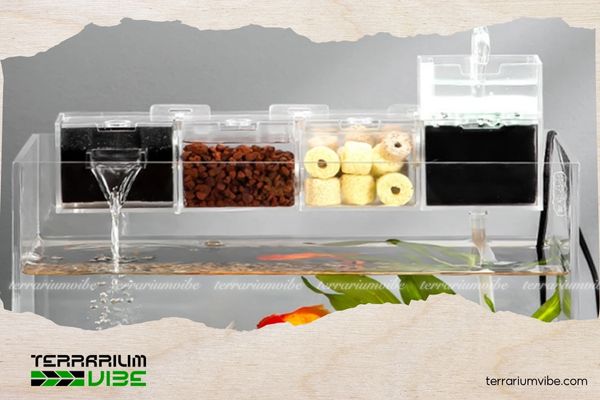
Choose Filter Media for Planted Tanks
Choosing the right type of media is essential to create a stable, long-lasting aquatic ecosystem. That’s why it’s important to know how to choose filter media for planted tanks correctly.
How to Choose Filter Media for Planted Tanks
There are many ways to approach filter media selection. However, below are three key principles to help you choose the right media depending on your tank’s setup and purpose.
Choose Based on Tank Type
Each tank has different goals—some focus on plants, others on fish, or both. So your filter media needs to match those specific needs.
- Planted tanks: Prioritize biological media (such as Matrix, Substrat Pro); avoid activated carbon, which may absorb essential trace elements for terrarium plants.
- Fish tanks: Combine mechanical media (filter sponges, pads) and biological media. You can also add chemical media to reduce water discoloration or odor.
- High-tech planted tanks (with CO₂ and strong lighting): Use filter media that ensures stable water flow and has a large surface area for beneficial bacteria.
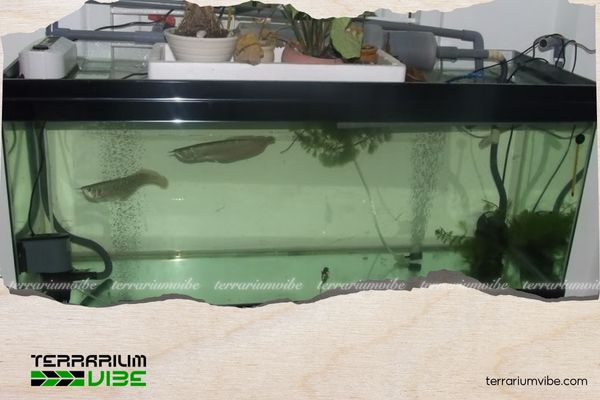
Filter Media for Different Tank Types
Choose Based on the Filtration System
Different types of filters have different capacities and flow rates. The media you choose should be compatible to maximize efficiency.
- Canister filters: Large capacity; allows complete layering in the order: mechanical → biological → chemical.
- Hang-on-back (HOB) filters: Limited space; choose compact, high-efficiency media.
- Overflow/sump systems: Easy to maintain; suitable for large tanks with thick filter layers.
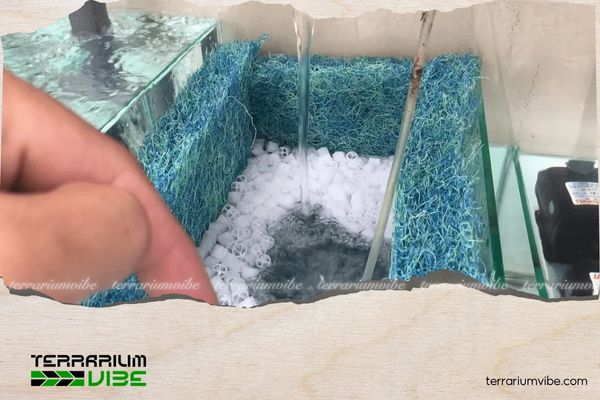
Choosing Media by Filter Type
Choose Based on Livestock Density and Tank Goals
Not every tank needs heavy filtration. Understanding your livestock load helps avoid unnecessary or inefficient media use.
- Heavily stocked tanks (many fish): Prioritize strong biological filtration with porous ceramic rings, Matrix, or lava rock to handle fish waste.
- Plant-focused tanks: Choose media that maintain stable water flow and CO₂, such as Matrix or Biohome. Limit chemical filtration.
- Shrimp tanks: Use safe, gentle materials like sponge filters or lava rock. Avoid media that reduce trace minerals or drastically lower pH.
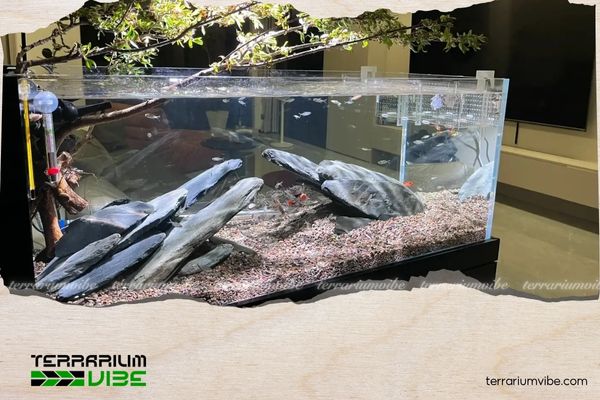
Filter Media by Livestock Load and Tank Style
Additional Tips When Choosing Filter Media for Planted Tanks
To ensure effective filtration and avoid common mistakes during setup, remember the following:
- Don’t rely on mechanical media alone: It only filters debris and doesn’t support bacteria—always include biological media.
- Limit long-term use of chemical media: Activated carbon and Purigen are best for short-term water polishing, not daily use in planted tanks.
- Don’t rinse biological media in tap water: Use tank water to preserve beneficial bacteria.
- Arrange media in the correct order: Mechanical first, then biological, and chemical last (if used).
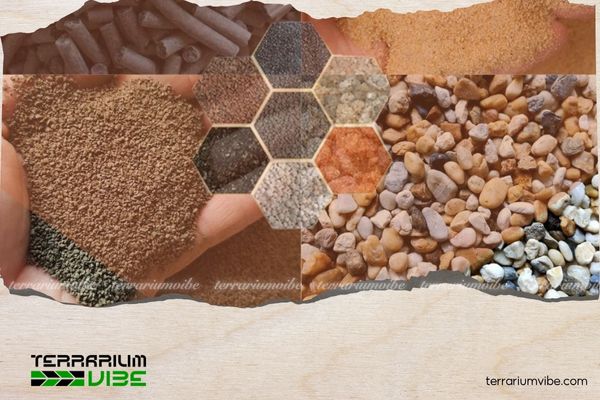
Tips for choosing suitable filter media
Understanding your tank’s needs and each filter media’s role will help you choose filter media for planted tanks more accurately and effectively. We hope these insights from Terrarium help you set up an optimized filtration system, reduce algae issues, and promote better plant growth in your planted aquarium.