


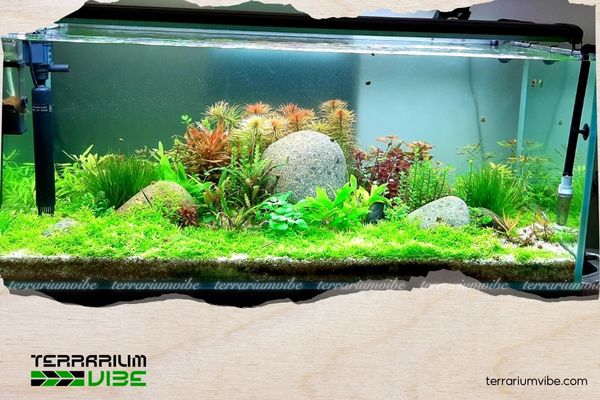
Must-Know Tips On How To Treat Water in a Newly Set-Up Planted Aquarium

If you’re just starting with aquascaping, it’s completely normal to run into cloudy or unstable water right after setting up your planted tank. At Terrarium Vibe, we’ve gathered a handful of tried-and-true tips on how to treat water in a newly set-up planted aquarium effectively. Apply these methods correctly and you’ll create a balanced environment where plants and fish can thrive from the start.
Why Water Treatment Is Essential for New Planted Tanks
Right after setting up a new planted aquarium, the water isn’t yet stable and beneficial bacteria haven’t had time to establish. Waste materials such as substrate residue, uneaten food, or decaying plant matter can release ammonia, a highly toxic compound for fish and shrimp.

Why treat water in a newly planted tank
Without proper water treatment, ammonia and nitrite can quickly build up, posing serious risks to your aquatic life. Beneficial bacteria are essential for breaking these toxins down into nitrate, a much safer compound that also serves as a nutrient for terrarium plants.
Step-by-Step Guide: How to Treat Water in a Newly Set-up Planted Aquarium
Here’s a practical, stage-by-stage breakdown to help you stabilize your tank water and get your aquascape off to a healthy start.
Stage 1: The First Two Weeks After Setup
In the early days, your tank’s ecosystem is still forming. The key here is to support the development of beneficial bacteria while minimizing stress on the system. What to do:
- Run the filter continuously: This keeps the water circulating and encourages beneficial bacteria to colonize the filter media.
- Limit lighting: Avoid excessive lighting to prevent algae outbreaks. If you’ve planted aquarium plants, limit light to 6–8 hours per day.
- Avoid water changes (unless necessary): Do not perform water changes in the first two weeks unless the tank is extremely cloudy or starts to smell foul.
- Seed beneficial bacteria: You can speed up the cycle by adding a small amount of filter media from a mature tank or sprinkling a tiny pinch of fish food daily to encourage bacterial growth.
Early care tips for new tanks
* Note:
- A slightly cloudy appearance or mild odor is normal – this results from organic matter breaking down while beneficial bacteria are still developing.
- Avoid adding fish during this phase to prevent environmental shock.
Stage 2: Week 3–4
At this point, you’re approaching a more stable system. Here’s what to do next:
- Test water quality: Use an ammonia test kit (NH₃/NH₄⁺). If ammonia levels are near zero and nitrite has dropped, your tank is ready for fish.
- Add fish gradually: Start with a few hardy species to allow your biological filter to adjust.
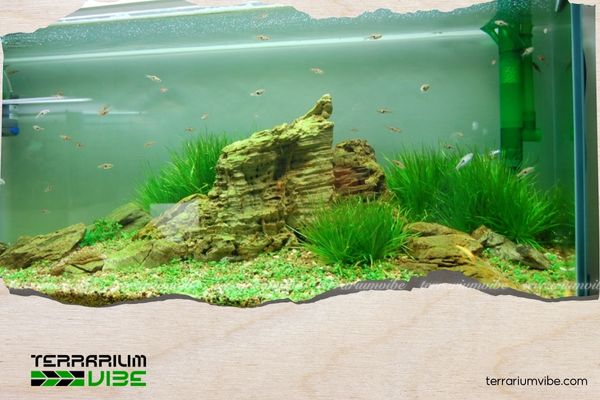
When to add fish after water treatment
- Feed lightly: Only feed once daily with minimal amounts to avoid buildup.
- Begin weekly water changes: Replace 25% of the water weekly to maintain water quality and remove accumulated toxins.
Stage 3: After Week 4 – When the Tank Stabilizes
By now, your planted tank should have a well-established biofilter and can function more like a mature aquarium.
- Feeding: You can slowly increase feeding amounts, but monitor closely to avoid overfeeding.
- Flexible water changes: If the tank remains clean and algae-free, you can reduce to 10–15% water changes weekly. If algae appear, increase to 25% and shorten the water change cycle.
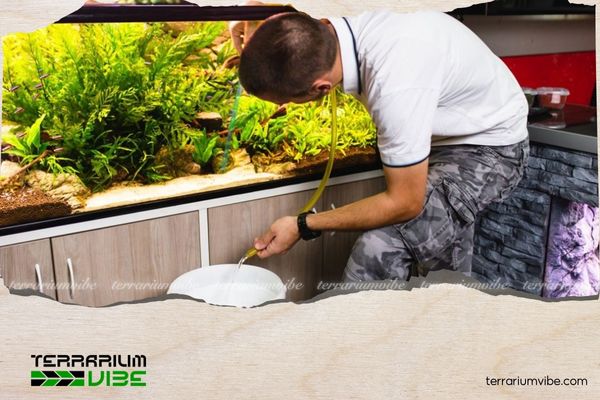
Watch fish and plants for the best care
- Regularly observe your fish and plants: Are the fish active? Are plants showing signs of nutrient deficiency? If needed, supplement with liquid fertilizers or CO₂ to keep everything thriving.
Frequently Asked Questions
Got questions about setting up your planted tank? Here are some of the most common concerns beginners have.
What should I keep in mind when changing water in a new planted tank?
- Always dechlorinate tap water before use, especially if your local supply contains high chlorine levels. Chlorine can kill beneficial bacteria and harm fish.
- Avoid drastic temperature differences between new water and tank water.
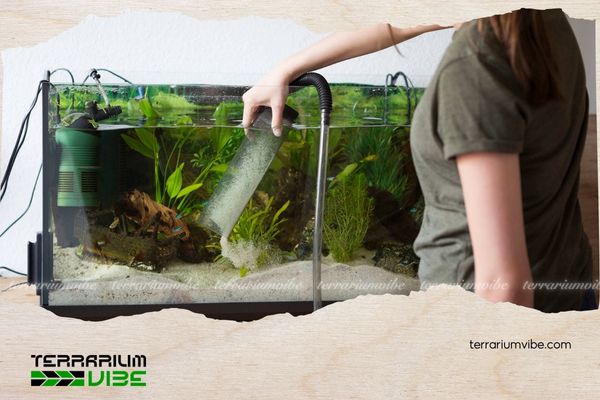
Setup tips for new planted tanks
- Use a gravel vacuum to remove waste and prevent toxin buildup.
- Pour new water gently to avoid disturbing the substrate or clouding the tank.
Should I fertilize a newly planted aquarium?
Typically, there’s no need to fertilize during the first 3–4 weeks, especially if you’ve used a nutrient-rich substrate. Most aquasoils already contain ample nutrients for plant growth in the early stages.
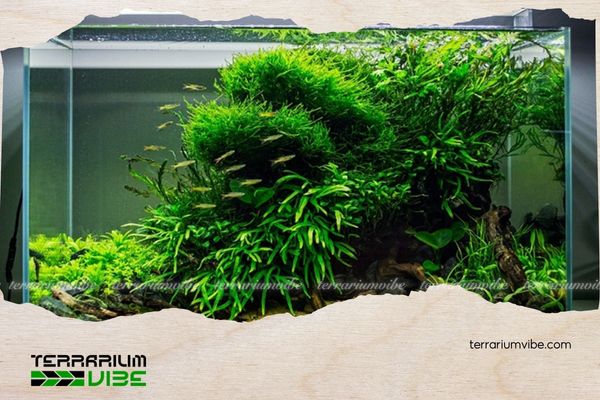
Fertilize right after treating water?
Over-fertilizing or applying fertilizers without monitoring can lead to root rot, algae outbreaks, and an unbalanced ecosystem that’s hard to correct later on.
The tips above, curated by Terrarium, offer an effective guide on how to treat water in a newly set-up planted aquarium. By getting water treatment right from the beginning, you’ll speed up the stabilization process, prevent algae growth, and create an ideal, thriving habitat for both fish and aquatic plants.