



How to set up a low-tech planted aquarium without CO2 – simple and beginner-friendly

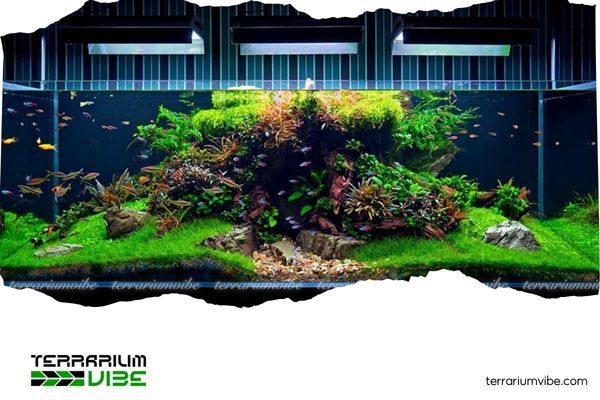
Not every aquascaping enthusiast has the budget or setup for a full CO2 system. The good news? You don’t need one to create a lush, thriving planted aquarium! With the right approach, you can enjoy a beautiful, healthy aquascape that requires no added CO2. Let Terrarium Vibe show you how and why a non-CO2 planted tank is absolutely possible.
Why a planted tank can thrive without CO2
CO2 boosts photosynthesis, helping aquatic plants grow faster and display vibrant colors. However, in low-light conditions, plants grow more slowly and steadily—making CO2 supplementation optional.
-

Why a planted tank can thrive without CO2?
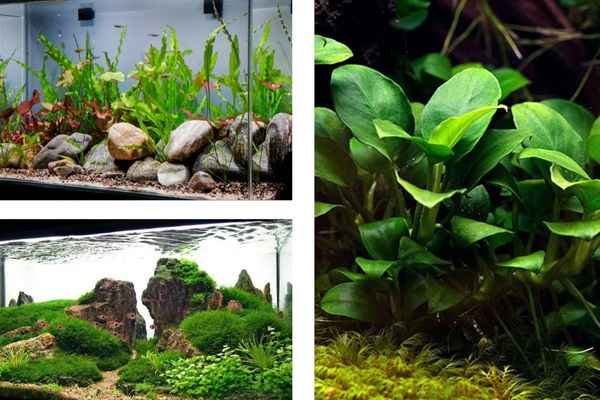
Plus, CO2 naturally exists in the water through fish respiration and organic decomposition. By choosing the right plants and maintaining a balanced combo of light and nutrients, you can absolutely keep a stunning, low-maintenance planted aquarium without injecting CO2.
Best aquarium plants for non-CO2 tanks
Even without a CO2 system, you can grow a vibrant underwater garden using hardy, low-demand plants. These species not only thrive in low-tech setups but also bring a natural aesthetic to your aquascape.
Foreground plants
The foreground sets the first impression—opt for low-growing plants that form neat carpets or compact highlights:
- Dwarf hairgrass (Eleocharis parvula): Creates a soft, fine-textured carpet; slow-growing and CO2-free friendly.
- Pygmy chain sword (Helanthium tenellum): Short, bushy leaves that stay vibrant in moderate lighting.
- Mini moss (e.g., Christmas moss): Easy to tie to driftwood or rocks; grows thick and lush.
- Anubias petite: A compact version of Anubias with dark, dense leaves—perfect for eye-catching accents
-
Foreground plants
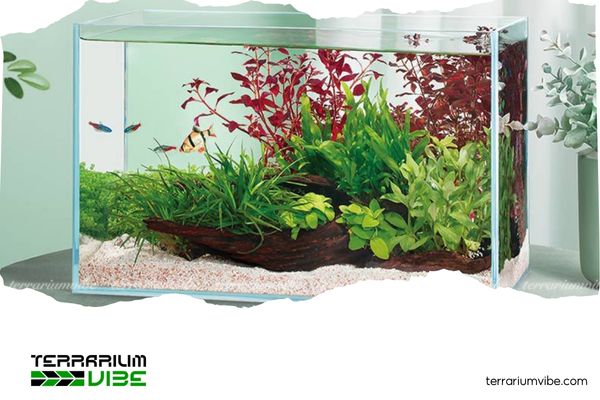
Midground plants
Midground plants bridge the visual gap between foreground and background. Look for medium-height plants that offer natural flow and movement:
- Java fern: Soft, arching leaves that look fantastic when attached to wood or rock.
- Cryptocoryne (crypts): Slow-growing with varied leaf colors and shapes—ideal for filling space without overpowering the view.
- Ludwigia repens (some varieties): Offers subtle red or orange tones, even without CO2.
- Hygrophila polysperma (green temple): Fast-growing with delicate leaves; can be trimmed into compact bushes.
Background plants
Tall, bushy plants create depth and help conceal equipment like filters or heaters. They complete the tank’s overall composition:
- Hornwort (Ceratophyllum demersum): Rapid growth, dense green foliage, and great at absorbing excess nutrients.
- Vallisneria (jungle val): Long, ribbon-like leaves that sway with the current—great for taller tanks.
- Japanese floating fern (Salvinia natans): Though a floater, it shades the tank naturally, helping stabilize non-CO2 setups.
- Pothos (Epipremnum aureum – semi-aquatic): Grows with roots in the water; helps purify and adds greenery above the rim.
-
Background plants
-
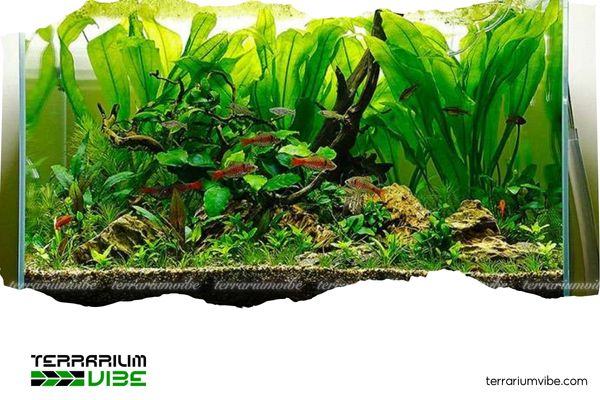
Step-by-step guide to setting up a low-tech planted aquarium (no CO2)
Step 1: Choose the right tank and lighting
A small tank (30–60 cm) is perfect for beginners.
Use a medium-bright LED aquarium light (6–8 hours/day). Avoid overly intense lighting to reduce algae.
Step 2: Prepare the substrate
Use nutrient-rich aquasoil or pre-mixed planted tank substrate.
Skip liquid fertilizers at the start to prevent algae blooms.
Step 3: Select plants and layout
Prioritize CO2-low plants like Anubias, Java ferns, crypts, and moss.
Don’t overcrowd initially—allow space for plants to adjust and root properly.
Step 4: Add fish and establish the ecosystem
After 7–10 days of cycling, introduce fish.
Choose peaceful, algae-helpful species like neon tetras, otocinclus, or shrimp.
Step 5: Routine maintenance
Change 20–30% of the water weekly. Trim dead leaves, clean glass, and monitor beneficial bacteria levels
-
Step-by-step guide to setting up a low-tech planted aquarium
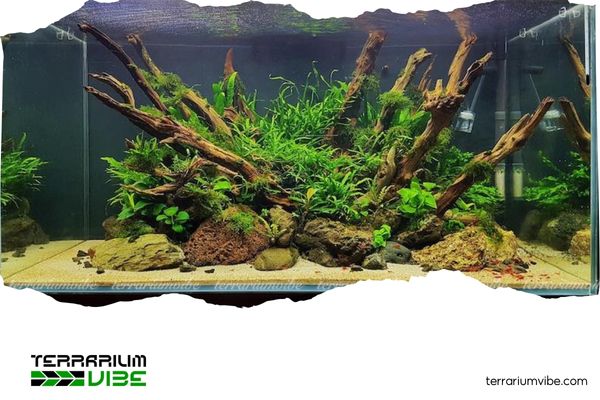
Common mistakes in non-CO2 planted tanks
Low-tech aquariums are easier to maintain, but they’re not mistake-proof. Watch out for these common errors:
- Choosing high-demand plants: Species like glossostigma or Rotala wallichii often fail without CO2.
- Using overly strong lighting: This can trigger algae outbreaks and disrupt balance.
- Overstocking with fish/shrimp too early: Leads to cloudy water and high waste levels.
- Incorrect fertilization timing: Adding liquid nutrients too soon or in large doses fuels algae growth.
-
Common mistakes in non-CO2 planted tanks
Yes—you can have a thriving, low-tech planted aquarium without CO2! By selecting the right plants, designing a smart layout, and keeping up with basic care, your tank will flourish naturally. Whether you’re new to aquascaping or looking for a simpler approach, this method offers beauty without the complexity. Terrarium Vibe wishes you success in building your perfect green corner—naturally lush, easy to maintain, and full of life.