


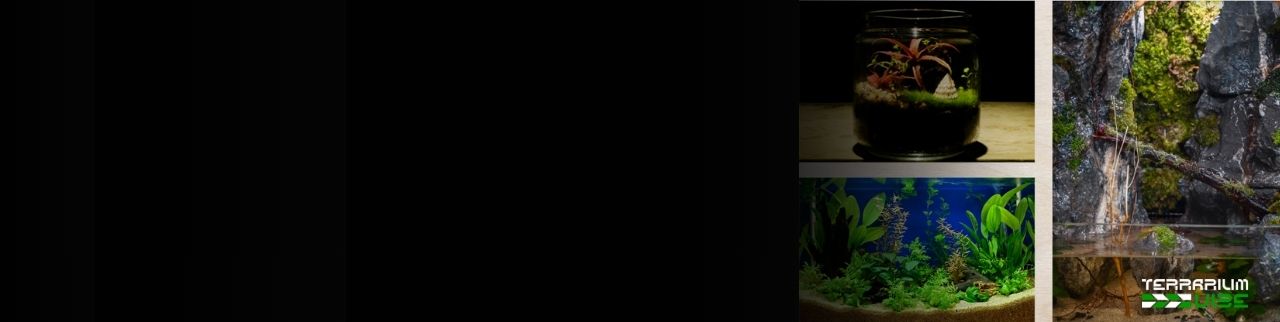
Distinguishing Terrariums, Vivariums, Paludarium, and Aquariums for Beginners

In practice, when it comes to the world of miniature landscaping, there are three commonly used terms: Terrarium, Vivarium, Paludarium. These terms often pose a bit of confusion for newcomers, lacking clear differentiation between their concepts. This article, Terrarium Vibe, aims to provide an insightful overview of the distinct characteristics of these three types of miniature landscapes, along with appropriate care instructions.
Unveiling the World of Terrariums, Vivariums, and Paludarium
Greetings everyone. Terrarium Vibe will introduce you to some of the most popular simulated ecosystems: Terrarium, Vivarium, Paludarium First off, let’s simplify them before delving into the specifics of each type!
- Terrariums primarily contain soil, and rocks, with few or no plants.
- Paludariums (also known as semi-aquatic habitats) combine soil and water, suitable for plants and animals living in moist environments.
- Vivariums are ecosystems containing plants and animals, with a significant amount of water.

Therefore, for beginners, it’s crucial to understand and identify the type of miniature landscaping that resonates most with you. you’re still unsure about their differences stay tuned for the following content, where Terrarium Vibe will delve into detailed explanations of the three types of miniature landscapes, providing you with a comprehensive overview of this fascinating hobby
Introducing Terrarium (Dry Tank)
Terrariums, also known as dry tanks, are miniature ecosystems that mimic natural environments. They can be open or closed, with various sizes and shapes. Typically used to cultivate moisture-loving plants such as moss, ferns, and tropical plants. Care involves attention to watering, drainage, and suitable lighting for each plant species.
For more details about what terrariums are and the magical allure of this art form, you can check out the article ‘What is Terrarium?’ beloved by many Terrariumvibe readers to discover the intricacies of terrariums.

Overview of Paludarium (Semi-Aquatic Habitat)
Paludariums represent a unique type of vivarium, meticulously crafted to simulate the habitat of marshlands, seamlessly blending terrestrial and aquatic landscapes
Widely utilized for nurturing and observing amphibians such as frogs, semi-aquatic crustaceans, as well as certain reptiles like turtles, within conditions closely resembling their natural environments. It’s a common passion among nature enthusiasts, aiming to cultivate a miniature ecosystem within the confines of their homes or offices.

TerrariumVibe believes there’s an environment that you’ll find more distinguishable than the trio of Terrarium, Vivarium, and Paludarium, and that’s none other than the Aquarium TerrariumVibe will also shed some light on what this aquarium environment entails.
Overview of Aquarium (Aquatic Habitat)
An aquarium, also known as an aquatic habitat, is an artificial ecosystem designed to nurture aquatic organisms, including ornamental fish, corals, seaweeds, snails, shrimp, and other species, replicating underwater environments such as lakes, rivers, or even the ocean. Tanks are commonly placed indoors or in public locations such as aquariums, serving purposes of decoration, relaxation, education, and scientific research.

Exploring Vivarium
A vivarium, often referred to as a living space, is an environment designed to simulate the natural habitat for animals or plants. It’s commonly used for cultivating or observing flora and fauna under conditions resembling their natural environments. In terms of classification hierarchy, according to some references, Vivarium encompasses Paludariums, Terrariums, and Aquariums.
A Vivarium could be a fish tank, a small water garden, or even a miniature forest recreated indoors or in a garden. The purpose of creating a vivarium is to study behavior and reproduction, or simply to appreciate the beauty of animals and plants within a controlled environment.

The Significance of Distinguishing Between Different Ecosystem Types
Are you nurturing the dream of crafting a vibrant miniature garden within your home? Terrariums, Vivariums, and Paludariums are excellent choices, offering unique and exciting experiences. However, to successfully construct and nurture a miniature ecosystem, distinguishing between these three types is crucial, for the following reasons:
Crafting Habitats for Life’s Diverse Needs
Creating a suitable living environment for plants and animals requires a thorough understanding of the subtle differences between Terrariums, Vivariums, and Paludariums. Each type of environment serves a distinct function, as follows:
Terrarium
- Designed to cater mainly to land-dwelling plants and creatures.
- Here, soil takes center stage, creating a dry, arid environment where water is sparingly used.
- Ideal for species that thrive in desert-like conditions, it’s a haven for succulents and desert-dwelling critters.
Paludarium
- Blending Terrestrial and Aquatic Environments, Mimicking a Marsh or Riverside Habitat
- With a substantial water presence, usually accounting for less than half of the enclosure’s volume,
- it’s a sweet spot for semi-aquatic flora and amphibious pals.
Vivarium
- Imitating the serene charm of riverbanks, Vivariums boast a higher water volume, often dominating over half of the enclosure.
- Perfect for lush greenery and moisture-loving creatures like aquatic plants, fish, and frolicking frogs.
Aquarium:
- Delve into the mesmerizing depths of aquatic ecosystems, whether it’s a tranquil lake, a meandering river, or the vast expanse of the ocean floor.
- A haven for aquatic life forms like colorful fish, graceful shrimp, and other underwater marvels.

According to some sources, Vivarium is a broad term encompassing all types of ecosystems nurturing animals. Therefore, a Terrarium or Paludarium-style ecosystem can also be considered a Vivarium if it houses animals. This implies that any Paludarium or Terrarium-type ecosystem could be called a Vivarium, though not every Vivarium-type ecosystem is necessarily a Paludarium or Terrarium.
Each type of environment has its requirements, so understanding the distinctions between them will help establish an optimal habitat suitable for each species.
Efficient Care and Nurturing for Each Ecosystem Type
Each ecosystem type, such as Terrarium, Vivarium, or Paludarium, demands distinct care and maintenance requirements to uphold a stable living environment for the vibrant plant life within:
- Terrarium: Attention to watering, drainage, and appropriate lighting for each plant species is essential.
- Vivarium: Balancing factors like temperature, humidity, light, and food for both fauna and flora is crucial.
- Aquarium: Monitoring temperature, and mitigating harmful factors affecting both plants and animals within the tank. Additionally, oxygen and CO2 levels in the water require attention.
- Paludarium: Emphasis on balancing humidity, water levels, and light for both the terrestrial and aquatic sections.
Only with a clear understanding of the requirements of each ecosystem type can caretakers establish and maintain a stable living environment, avoiding pitfalls in the care and nurturing process.
Creating Aesthetic and Educational Value
Terrariums, Vivariums, and Paludariums bring forth unique aesthetic values, enhancing living spaces with vibrancy and beauty.
Moreover, distinguishing between these ecosystem types contributes to a deeper understanding of the habitats of various species,

Choosing the Perfect Match for Your Purpose and Passion
Distinguishing between the various types of ecosystems helps you pinpoint the one that perfectly fits your goals and interests.
- Terrarium: Tailored for plant enthusiasts seeking to craft a verdant indoor oasis, a miniature garden blooming within their living space.
- Vivarium: Suited for curious souls, eager to delve into the intricate world of both flora and fauna, nurturing a harmonious ecosystem where life thrives in unity.
- Paludarium: Designed for those captivated by the lush beauty of wetland environments, aspiring to curate a captivating microcosm teeming with biodiversity.
Selecting the right ecosystem type promises not only an engaging journey of care and cultivation but also an enriching experience filled with aesthetic delight and educational value.
Phân biệt Terrarium, Vivarium và Paludarium là điều cần thiết để đảm bảo môi trường sống phù hợp cho các sinh vật, giúp bạn chăm sóc hiệu quả và tạo giá trị thẩm mỹ, giáo dục cho hệ sinh thái thu nhỏ của mình.
Distinctive and nurturing traits of Various ecosystems
Are you enchanted by the allure of tiny, exquisite gardens nestled within Terrariums, Vivariums, or Paludariums? However, to craft and nurture these unique ecosystems, understanding the specific care characteristics for each type is paramount. Terrarium Vibe will now outline the key points crucial for tending to these miniature landscapes.
| ECOSYSTEM TYPE | WATERING | LIGHTING | TEMPERATURE | FEEDING/FERTILIZING | MAINTENANCE |
| Terrarium | – Water sparingly to maintain soil moisture. <br> – Mist with a spray bottle. | – Place in areas with indirect natural light, avoiding direct sunlight.- Supplement with LED lights if necessary. | The ideal temperature typically ranges from 15 to 30°C, depending on the simulated environment. | – No feeding required | – Regular maintenance to remove dust and mold.- Trim wilted leaves and dry branches.- Replace soil and gravel if necessary. |
| Paludarium | – Water the terrestrial portion.- Provide water to the aquatic portion as needed. | – Mimic tropical rainforest environments with temperatures ranging from 21 to 30°C.- Use heaters or coolers to adjust temperature. | – Feed animals appropriate nutrition.- Use aquatic plant fertilizer as needed.- Avoid over or underfeeding. | – Regular cleaning to remove dirt and excess food.- Trim overgrown vegetation.- Replace water as needed. | |
| Aquarium | Already fully aquatic environment. | – Maintain suitable temperature for plants and animals, ranging from 18°C to 29°C.- Use heaters or coolers to adjust temperature. | – Feed aquatic organisms as needed. | – Regular cleaning and water changes. | |
| Vivarium | – Water terrestrial plants and the terrestrial portion.- Provide water to the aquatic portion as needed. | – Provide appropriate lighting for both terrestrial and aquatic elements. | – Maintain temperature suitable for both plants and animals. | – Feed terrestrial and aquatic organisms as needed. | – Regular maintenance to ensure proper hydration and cleanliness |
After receiving insightful knowledge from Terrarium Vibe about various miniature landscape types, particularly distinguishing Terrariums, Vivariums, paludariums, and Aquariums, you’ve likely discovered your favorite artistic ecosystem, haven’t you? However, while this article merely provides an overview of different concepts, to delve deeper into each type’s cultivation and care methods, follow Terrarium Vibe for upcoming articles! Wishing you success on your journey!